Medications · Metabolic & weight

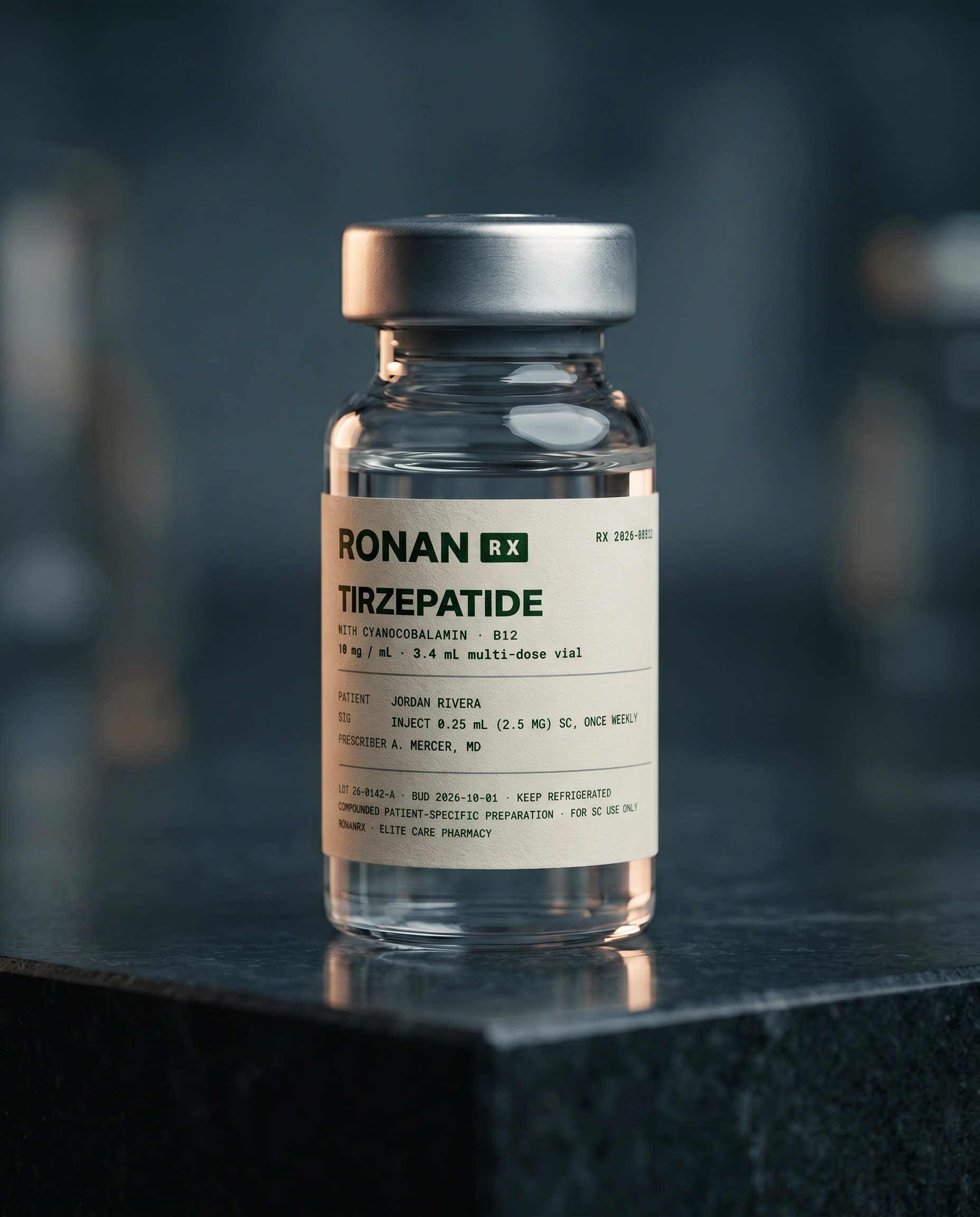
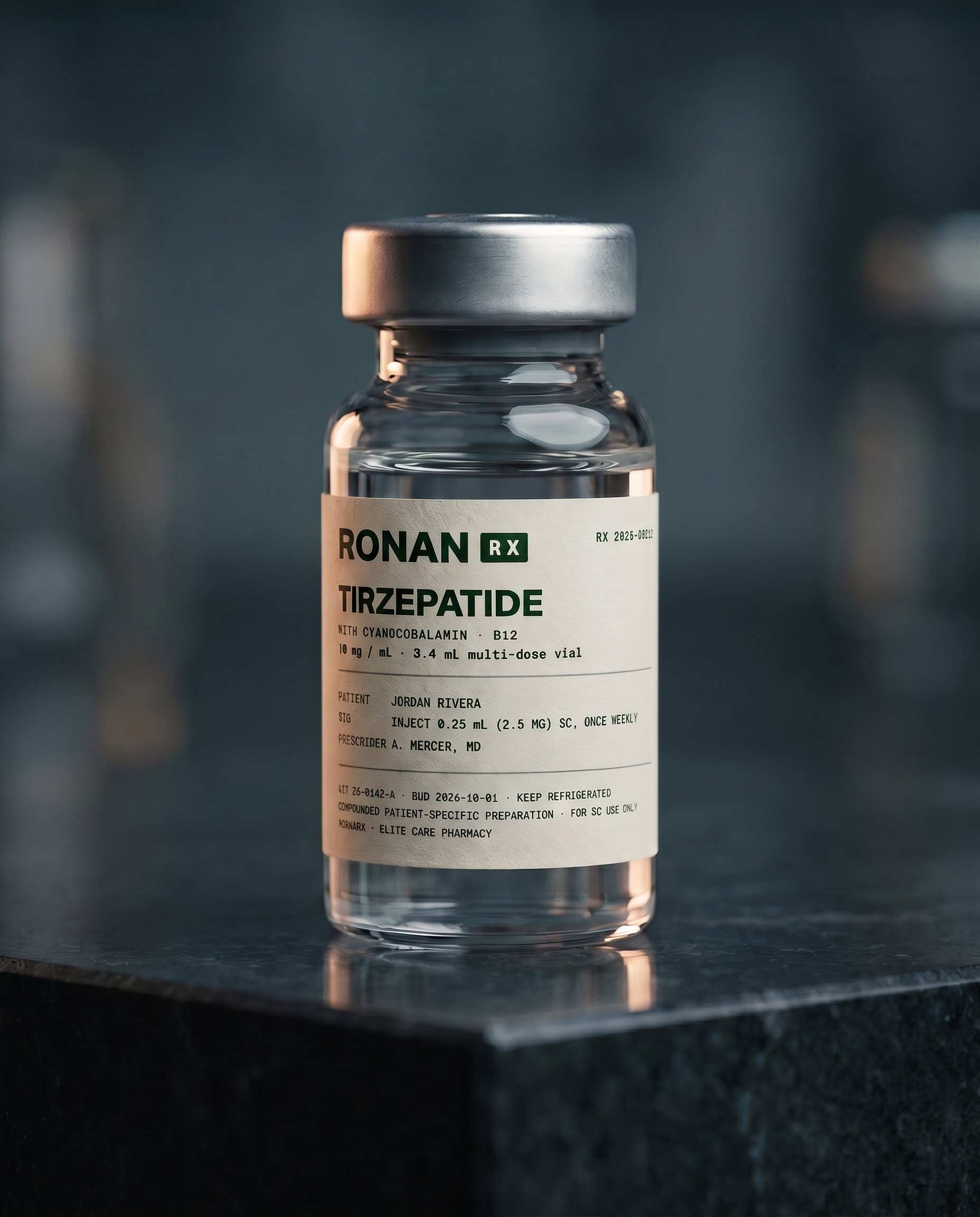
Compounded Tirzepatide

Dual GIP/GLP-1 receptor agonist for metabolic care.

Compounded Tirzepatide molecular structure (Dual GIP/GLP-1 receptor agonist)

Why this needs to be personal

Why Personalized Compounded Tirzepatide

Mounjaro and Zepbound use a fixed escalation: 2.5 mg, then 5, 7.5, 10, 12.5, 15 mg, four weeks per step. That schedule was calibrated to keep the average SURPASS or SURMOUNT enrollee on therapy through the worst of the GI adverse-event window. It was not calibrated for your nausea threshold, your prior GLP-1 history, your CKD stage, the metformin or insulin you titrate around, or the fact that you may sit closer to the 22.5% responder tail than to the mean. SURPASS-CVOT and the SURMOUNT program ran the average. Your prescriber runs you.

That gap is the work a compounding pharmacy does on a patient-specific 503A prescription. A doctor who knows your chart can hold at 2.5 mg for longer than four weeks when GI tolerance demands it, step up in smaller increments than the labeled 2.5 mg jumps, or land at a maintenance dose between the commercial strengths when the next labeled step provokes side effects out of proportion to the added benefit. The molecule is the same dual GIP/GLP-1 receptor agonist the FDA reviewed. The titration cadence and the maintenance strength are written for the patient on the label.

This is the older arrangement, the one that pre-dates pre-filled pens and direct-to-consumer pharmacy. A doctor wrote a prescription for a named patient, a pharmacist prepared it, and the dose matched the person. Modern state licensure, USP-track facility standards, and FAERS reporting keep that arrangement honest.

In brief

Compounded Tirzepatide Explained

Tirzepatide is a once-weekly injection used to lower blood sugar in type 2 diabetes and to help with long-term weight management 1617. The brand-name versions are Mounjaro (for diabetes) and Zepbound (for weight management and, since late 2024, obstructive sleep apnea in adults with obesity). The FDA approved Mounjaro in 2022 and Zepbound in 2023.

It is the first medicine that activates two gut hormone receptors at the same time, GLP-1 and GIP. That dual action quiets appetite, slows stomach emptying, and improves how the body handles sugar. In the SURMOUNT-1 trial, adults with obesity lost between 16 and 22.5% of their body weight on tirzepatide over 72 weeks 8.

At a glance

Quick Facts About Compounded Tirzepatide

Category
Dual GIP/GLP-1 receptor co-agonist
Active ingredient
Tirzepatide, a 39-amino-acid synthetic peptide with fatty-acid modification for albumin binding and once-weekly subcutaneous dosing
FDA-approved branded forms
Mounjaro (type 2 diabetes, May 2022) and Zepbound (chronic weight management, November 2023; obstructive sleep apnea expansion December 2024)
Route
Subcutaneous injection, once weekly
Evidence posture
Phase III evidence across SURPASS (type 2 diabetes) and SURMOUNT (obesity, sleep apnea) programs supports the manufactured Mounjaro and Zepbound products; compounded preparations have no separate efficacy program
FDA-approval status
Manufactured Mounjaro and Zepbound are FDA-approved. Compounded tirzepatide is not FDA-approved.
Compounded under
503A, patient-specific prescription only, where the manufactured FDA-approved product is not clinically appropriate
Important compounding caution
Tirzepatide injection was on the FDA drug shortage list from December 2022 through October 2024. FDA's December 19, 2024 declaratory order affirmed the shortage was resolved. Compounding of essentially-a-copy preparations is now restricted to patient-specific clinical reasons (excipient sensitivity, dose individualization, route or strength not commercially available), not preference or price.

Prescription review

Patient-Specific Prescription Only

Compounded Tirzepatide on this page is a 503A compounded preparation. Every dose is made on a prescription, for a named patient, by a licensed pharmacist. It is not a stocked, mass-manufactured product.

  • Made to order, not off a shelf. No batch sits in a warehouse waiting for buyers. Your prescription is what triggers the prep.
  • Named-patient label. The bottle carries your name. The batch records carry your prescription.
  • Dose, strength, and route chosen for you. A prescriber who knows your chart decides what gets compounded, not a manufacturer who set the strength for a trial population.
  • Licensed pharmacist on the hook. A real person, with a license that can be pulled, signs off on every prep. State inspectors check the facility.
  • Compounded drugs are not FDA-approved. They should not be evaluated using branded-drug trial data. Availability varies by state and prescribed medication.

Real medicine, not gray market

How This Differs from a Research-Use-Only Website

A research-use-only website ships a vial from a warehouse. There is no prescription, no pharmacist, no facility inspection, and no way to recall the product if something is wrong with it. If the vial is mislabeled, contaminated, or under-potent, there is nobody whose license is at stake.

A 503A compounding pharmacy is the other thing. Your doctor writes the prescription. A licensed pharmacist, whose name is on the label, prepares the medicine in a facility the state inspects. If something goes wrong, there is a person and a license on the hook, and a documented chain of custody on every lot. That accountability is what makes it safe.

What it is

What is Compounded Tirzepatide?

Tirzepatide is a synthetic 39-amino-acid peptide engineered as a single molecule that activates both the glucose-dependent insulinotropic polypeptide (GIP) receptor and the glucagon-like peptide-1 (GLP-1) receptor. It is the first FDA-approved dual incretin receptor agonist for human use. The molecule incorporates a C20 fatty di-acid moiety that binds plasma albumin, slowing renal clearance and supporting once-weekly subcutaneous dosing.

Tirzepatide was discovered at Eli Lilly and originally designated LY3298176. The discovery and preclinical-to-clinical proof-of-concept program was reported by Coskun and colleagues in Molecular Metabolism in 2018. Clinical development proceeded through the SURPASS program for type 2 diabetes (FDA approval as Mounjaro, May 2022) and the SURMOUNT program for chronic weight management (FDA approval as Zepbound, November 2023) 1.

Both manufactured products are supplied as single-dose pre-filled pens (and, separately, single-dose vials) at strengths of 2.5, 5, 7.5, 10, 12.5, and 15 mg per 0.5 mL. The injectable solution is preservative-free and intended for subcutaneous administration in the abdomen, thigh, or upper arm 1617.

How it works

How Compounded Tirzepatide Works

Class
Dual GIP/GLP-1 receptor agonist
First studied
Late 2010s; FDA-approved 2022
Common forms
Compounded subcutaneous injection
Compounding category
503A, patient-specific prescription, state-dependent availability

Tirzepatide activates two related class B G-protein-coupled receptors that mediate the incretin effect: the GLP-1 receptor and the GIP receptor. Both receptors couple to Gαs and elevate intracellular cAMP, but they are expressed in different tissue patterns and contribute different physiological effects.

Through GLP-1 receptor activation, tirzepatide stimulates glucose-dependent insulin secretion from pancreatic beta cells, suppresses inappropriately elevated glucagon, slows gastric emptying, and acts on hypothalamic and brainstem circuits to reduce appetite 2. Through GIP receptor activation, tirzepatide further potentiates insulin secretion in the fed state and is hypothesized to improve insulin sensitivity and lipid handling in adipose tissue 14. The molecule is described as 'imbalanced' or 'biased' in its receptor pharmacology, its affinity at the human GIP receptor is comparable to native GIP, while its affinity at the human GLP-1 receptor is roughly five-fold weaker than native GLP-1, and downstream signaling pathways are differentially recruited.

Net clinical effects are larger HbA1c reductions and larger weight reductions than have been observed with selective GLP-1 receptor agonists at comparable exposure 1. The transient delay in gastric emptying observed early in dosing attenuates with continued treatment, paralleling the typical adaptation in nausea reported by patients.

Research history

Compounded Tirzepatide Research History

Tirzepatide originated at Eli Lilly as LY3298176, a fatty-acid-modified peptide designed to balance GIP and GLP-1 receptor activity in a single molecule. The discovery program, published by Coskun and colleagues in Molecular Metabolism in 2018, demonstrated weight-favorable effects in diet-induced-obese rodents and glucose-lowering in non-human primates, and reported phase 1 human data establishing the once-weekly dosing schedule. The first human phase 2 dose-finding trial 22 tested LY3298176 at 1, 5, 10, and 15 mg vs placebo and dulaglutide 1.5 mg over 26 weeks in adults with type 2 diabetes and reported dose-dependent HbA1c reductions to 2.4% and weight reductions to 11.3 kg, establishing the dose range carried into phase 3 38.

Clinical development proceeded through the SURPASS phase III program for type 2 diabetes: SURPASS-1 (monotherapy vs placebo, Rosenstock et al 3. 2021), SURPASS-2 (vs semaglutide 1 mg, Frías et al. 2021), SURPASS-3 (vs insulin degludec, Ludvik et al 5. 2021), SURPASS-4 (vs insulin glargine in adults with elevated cardiovascular risk, Del Prato et al 6. 2021), and SURPASS-5 (added to titrated insulin glargine, Dahl et al 7. 2022). Region-specific phase 3 programs added SURPASS J-mono (Japanese adults, head-to-head vs dulaglutide; Inagaki 2022) and SURPASS-AP-Combo (Asia-Pacific region, second/third-line vs insulin glargine; Gao 2023) 3839. FDA approval as Mounjaro followed in May 2022. The dedicated cardiovascular outcomes trial SURPASS-CVOT, prespecified to compare tirzepatide with dulaglutide on MACE in adults with type 2 diabetes and atherosclerotic cardiovascular disease, was described in its design paper 40 and reported primary results in December 2025 (Nicholls et al., NEJM) demonstrating non-inferiority on three-point MACE 441. Pre-specified cardiovascular meta-analyses 30 and updated meta-analyses 31 of the phase 3 program had previously found no excess MACE signal.

The SURMOUNT program for chronic weight management produced SURMOUNT-1 (obesity without diabetes, Jastreboff et al 8. 2022), SURMOUNT-2 (obesity with type 2 diabetes, Garvey et al 9. 2023), SURMOUNT-3 (post-intensive-lifestyle adjunct, Wadden et al. 2023), SURMOUNT-4 (maintenance withdrawal, Aronne et al. 2024), and SURMOUNT-J (Japanese adults with obesity; Kadowaki 2025) 43. SURMOUNT-5 42 reported the first phase 3 head-to-head comparison of tirzepatide vs semaglutide 2.4 mg for obesity, demonstrating superior weight loss with tirzepatide over 72 weeks 10. FDA approval as Zepbound for chronic weight management followed in November 2023, and the indication was expanded to moderate-to-severe obstructive sleep apnea in adults with obesity in December 2024 on the basis of SURMOUNT-OSA 12 11. Phase 2 data for metabolic dysfunction-associated steatohepatitis (SYNERGY-NASH, Loomba et al 13. 2024) demonstrated improvements in steatohepatitis resolution and fibrosis at 52 weeks. Network meta-analysis evidence 32 integrated the SURPASS and SURMOUNT programs into the broader GLP-1 receptor agonist class and confirmed superior glycemic and weight effects of tirzepatide vs semaglutide across doses 1.

Timeline

Compounded Tirzepatide Timeline

  1. 2018 Coskun et al 1. publish discovery and clinical proof-of-concept for LY3298176 (tirzepatide) in Molecular Metabolism
  2. 2018 Frías et al 22. publish phase 2 dose-finding trial of LY3298176 (1, 5, 10, 15 mg) vs placebo and dulaglutide 1.5 mg in the Lancet, HbA1c reductions to 2.4% and weight reductions to 11.3 kg at 26 weeks
  3. 2020 Urva et al 2. characterize tirzepatide's effect on gastric emptying, showing transient GLP-1-class delay that attenuates with continued dosing
  4. 2021 Samms et al 23. (J Clin Invest) demonstrate GIPR-dependent weight-independent insulin sensitization by tirzepatide in obese mice, mechanistic foundation for the GIP-receptor contribution
  5. 2021 SURPASS-1 (monotherapy vs placebo) published in the Lancet 3
  6. 2021 SURPASS-2 (head-to-head vs once-weekly semaglutide 1 mg) published in NEJM, first dual-agonist head-to-head superiority over a selective GLP-1 agonist 4
  7. 2021 SURPASS-3 (vs insulin degludec) and SURPASS-4 (vs insulin glargine, elevated CV risk) published in the Lancet 56
  8. 2022 SURPASS-5 (added to titrated insulin glargine) published in JAMA 7
  9. 2022 FDA approves tirzepatide as Mounjaro for adults with type 2 diabetes (May 13, 2022) 16
  10. 2022 SURPASS J-mono (Inagaki et al., Lancet Diabetes Endocrinol), tirzepatide vs dulaglutide in Japanese adults with type 2 diabetes 38
  11. 2022 SURPASS-3 MRI substudy (Gastaldelli et al.), tirzepatide reduces liver fat and abdominal adipose tissue more than insulin degludec 27
  12. 2022 Heise et al 25. (Lancet Diabetes Endocrinol), tirzepatide vs semaglutide on islet function and insulin sensitivity in adults with type 2 diabetes
  13. 2022 Heerspink et al 28. (Lancet Diabetes Endocrinol), SURPASS-4 post-hoc kidney outcomes analysis demonstrates favorable trajectory of eGFR and UACR vs insulin glargine
  14. 2022 Sattar et al 30. (Nature Medicine) publish prespecified cardiovascular event meta-analysis across the SURPASS program, no excess MACE signal
  15. 2022 SURMOUNT-1 (obesity without diabetes) published in NEJM, up to 22.5% mean weight loss at 72 weeks 8
  16. 2022 FDA adds tirzepatide injection to the drug shortage list (December 15, 2022) 18
  17. 2023 SURPASS-AP-Combo (Gao et al., Nature Medicine), tirzepatide vs insulin glargine in the Asia-Pacific region 39
  18. 2023 Heerspink et al 29. (Diabetes Care), SURPASS-4 cystatin C-based kidney function analysis confirms favorable eGFR trajectory
  19. 2023 Mishra et al 33. (J Endocr Soc) review adverse events related to tirzepatide
  20. 2023 SURMOUNT-2 (obesity with type 2 diabetes) published in the Lancet 9
  21. 2023 SURMOUNT-3 (post-intensive-lifestyle adjunct) published in Nature Medicine 10
  22. 2023 FDA approves tirzepatide as Zepbound for chronic weight management in adults (November 8, 2023) 17
  23. 2023 Zeng et al 15. (Front Endocrinol), meta-analysis of pancreatitis and gallbladder/biliary disease signals
  24. 2024 Nicholls et al 40. publish SURPASS-CVOT design and baseline characteristics in Am Heart J
  25. 2024 de Lemos et al 34. (Hypertension), SURMOUNT-1 ambulatory blood pressure substudy demonstrates reduction in 24-hour SBP
  26. 2024 Regmi et al 24. (Cell Metab), long-acting GIP receptor activation regulates adipocyte nutrient metabolism
  27. 2024 Mather et al 26. (J Clin Endocrinol Metab), tirzepatide vs semaglutide on β-cell function, insulin sensitivity, and glucose control during meal test
  28. 2024 Mullins et al 35. (J Clin Endocrinol Metab), pooled phase 3 immunogenicity analysis: no clinically meaningful effect on PK, efficacy, or safety
  29. 2024 SURMOUNT-4 (maintenance withdrawal) published in JAMA, confirms weight regain after discontinuation 11
  30. 2024 SURMOUNT-OSA published in NEJM; FDA expands Zepbound indication to moderate-to-severe obstructive sleep apnea in adults with obesity (December 20, 2024) 12
  31. 2024 SYNERGY-NASH phase 2 trial (Loomba et al.) published in NEJM, tirzepatide produces MASH resolution and fibrosis improvement at 52 weeks 13
  32. 2024 FDA declaratory order (December 19, 2024) affirms resolution of tirzepatide injection shortage; 503A compounding transition period ends February 18, 2025 18
  33. 2024 Karagiannis et al 32. (Diabetologia), systematic review and network meta-analysis of tirzepatide vs semaglutide for adults with type 2 diabetes
  34. 2025 SURMOUNT-5 (Aronne et al., NEJM), first phase 3 head-to-head of tirzepatide vs semaglutide 2.4 mg for obesity: tirzepatide superior at 72 weeks 42
  35. 2025 SURMOUNT-J (Kadowaki et al., Lancet Diabetes Endocrinol), phase 3 in Japanese adults with obesity disease 43
  36. 2025 Look et al 36. (Diabetes Obes Metab), SURMOUNT-1 body composition substudy: fat-mass-preferential weight loss with preserved lean mass
  37. 2025 Rasouli et al 37. (Diabetes Ther), SURPASS post-hoc in older adults with type 2 diabetes confirms consistent efficacy and safety
  38. 2025 Ruder (JAMA) and Liu (Am J Manag Care), practitioner-facing reviews on the safety landscape of compounded GLP-1 weight-loss drugs 4546
  39. 2025 SURPASS-CVOT primary results (Nicholls et al., NEJM), tirzepatide non-inferior to dulaglutide on three-point MACE in adults with type 2 diabetes and atherosclerotic cardiovascular disease 41
  40. 2026 McCall et al 44. (Expert Opin Drug Saf), FAERS pharmacovigilance analysis of compounded GLP-1 receptor agonists characterizes a distinct AE profile vs manufactured products

Natural role

Biological Role of Compounded Tirzepatide

The incretin system describes a set of gut-derived hormones, principally GIP and GLP-1, that are released in response to enteral nutrient delivery and amplify the insulin response to glucose. Beyond pancreatic islet effects, both incretins act on the central nervous system to reduce food intake, slow gastric emptying, and contribute to long-term regulation of body weight and glucose homeostasis.

Selective GLP-1 receptor agonists (exenatide, liraglutide, dulaglutide, semaglutide) had established the GLP-1 axis as a clinically tractable target through the 2000s and 2010s. The role of GIP was more contested: GIP secretion is preserved in type 2 diabetes but its insulinotropic action is blunted, and chronic GIP receptor agonism in obese rodents had previously been associated with weight gain. The Coskun et al. discovery work proposed that simultaneous activation of both receptors recovers GIP's insulinotropic and weight-favorable effects in the context of GLP-1 receptor co-activation, and this hypothesis was substantiated by the magnitude of weight loss observed in the SURMOUNT trials, which exceeds reported effects of any selective GLP-1 receptor agonist at comparable dosing 18.

Clinical contexts studied

Clinical Contexts for Compounded Tirzepatide

Type 2 diabetes mellitus in adults fda approved

FDA-approved indication for manufactured Mounjaro.

Tirzepatide (Mounjaro) is FDA-approved as an adjunct to diet and exercise to improve glycemic control in adults with type 2 diabetes 1656. SURPASS-1 through SURPASS-5 demonstrated HbA1c reductions of 1.8, 2.6% from baseline depending on dose and background therapy 7. Region-specific phase 3 evidence in Asian populations (SURPASS J-mono, Inagaki 2022; SURPASS-AP-Combo, Gao 2023) demonstrated consistent efficacy and tolerability 3839. SURPASS-2 demonstrated superior HbA1c and weight reduction vs once-weekly semaglutide 1 mg at 40 weeks; the network meta-analysis by Karagiannis (2024) extended this comparison across the GLP-1 receptor agonist class 32. SURPASS-4 (CV-risk-elevated population) did not demonstrate excess major adverse cardiovascular events at 52 weeks; the dedicated cardiovascular outcomes trial SURPASS-CVOT 41 reported tirzepatide non-inferior to dulaglutide on three-point MACE in adults with type 2 diabetes and atherosclerotic cardiovascular disease 34. Pre-specified meta-analyses 30 and updated meta-analyses 31 had previously shown no excess MACE signal.

Branded product: Mounjaro (tirzepatide injection, Eli Lilly)

Chronic weight management in adults with obesity (BMI ≥30 kg/m²) fda approved

FDA-approved indication for manufactured Zepbound.

Tirzepatide (Zepbound) is FDA-approved as an adjunct to reduced-calorie diet and increased physical activity for chronic weight management in adults with BMI ≥30 kg/m² 17. SURMOUNT-1 8 reported mean weight reductions of 15.0%, 19.5%, and 20.9% with tirzepatide 5, 10, and 15 mg respectively, at 72 weeks, compared with 3.1% on placebo.

Branded product: Zepbound (tirzepatide injection, Eli Lilly)

Chronic weight management in adults with overweight (BMI ≥27 kg/m²) plus weight-related comorbidity fda approved

FDA-approved indication for manufactured Zepbound.

The Zepbound indication extends to BMI ≥27 kg/m² with at least one weight-related comorbidity (e.g., hypertension, dyslipidemia, obstructive sleep apnea, cardiovascular disease, or type 2 diabetes) 17. SURMOUNT-2 9 extended efficacy data into adults with type 2 diabetes, with mean weight reductions of 12.8% and 14.7% on 10 mg and 15 mg vs 3.2% on placebo at 72 weeks. The SURMOUNT-1 ambulatory blood pressure substudy (de Lemos 2024) reported a clinically meaningful reduction in 24-hour systolic blood pressure, supporting cardiovascular-risk-relevant indication breadth 34. Body composition assessment in SURMOUNT-1 36 demonstrated preferential reduction of fat mass with proportional preservation of lean mass.

Branded product: Zepbound

Moderate-to-severe obstructive sleep apnea in adults with obesity fda approved

FDA-approved indication added to Zepbound in December 2024 on the basis of SURMOUNT-OSA.

SURMOUNT-OSA 12 reported reductions in apnea-hypopnea index of 25.3 (trial 1, not on PAP therapy) and 29.3 (trial 2, on PAP therapy) events per hour at 52 weeks with tirzepatide vs reductions of 5.3 and 5.5 events per hour with placebo. The indication was added to the Zepbound label in December 2024 17.

Branded product: Zepbound

Metabolic dysfunction-associated steatohepatitis (MASH) with liver fibrosis well studied

Phase 2 evidence (SYNERGY-NASH); not an FDA-approved indication.

SYNERGY-NASH 13 randomized 190 adults with biopsy-confirmed MASH and stage F2 or F3 fibrosis to tirzepatide 5, 10, or 15 mg vs placebo for 52 weeks. MASH resolution without worsening of fibrosis was achieved in 44%, 56%, and 62% of tirzepatide-treated participants vs 10% on placebo. Phase 3 trials are ongoing.

Maintenance of weight reduction after initial response well studied

Studied in a dedicated phase III withdrawal trial.

SURMOUNT-4 11 randomized 670 adults who had achieved a target weight reduction with open-label tirzepatide (mean −20.9% at week 36) to continued tirzepatide or placebo for an additional 52 weeks. Continued tirzepatide produced a further mean −5.5% change; placebo produced +14.0% regain, supporting indefinite continued dosing for weight maintenance.

Major adverse cardiovascular events in adults with type 2 diabetes and atherosclerotic cardiovascular disease well studied

Studied in the prespecified dedicated cardiovascular outcomes trial SURPASS-CVOT; non-inferiority demonstrated vs dulaglutide. Not a separate FDA indication for an outcome reduction claim.

SURPASS-CVOT 41 randomized approximately 13,000 adults with type 2 diabetes and atherosclerotic cardiovascular disease to tirzepatide or dulaglutide and reported tirzepatide non-inferior to dulaglutide on the three-point MACE composite 40. Earlier pre-specified meta-analyses across the SURPASS program 30 and updated meta-analyses 31 had reported no excess MACE signal with tirzepatide vs comparators.

Head-to-head comparison with semaglutide 2.4 mg for obesity well studied

Studied in the SURMOUNT-5 phase 3 trial; tirzepatide superior on weight loss endpoints. Not a labeled comparative claim.

SURMOUNT-5 42 was the first phase 3 head-to-head trial of tirzepatide vs semaglutide 2.4 mg in adults with obesity. Over 72 weeks, tirzepatide produced superior mean percent weight reduction relative to semaglutide 2.4 mg. The network meta-analysis by Karagiannis (2024) integrating earlier phase 3 evidence had previously suggested superior glycemic and weight effects of tirzepatide across the dose range 32.

Off-label use

Off-Label Uses of Compounded Tirzepatide

Metabolic dysfunction-associated steatohepatitis (MASH/NASH) well studied

Off-label; supported by phase 2 SYNERGY-NASH evidence. Phase 3 trials ongoing.

Phase 2 SYNERGY-NASH evidence 13 demonstrated MASH resolution in 44, 62% of tirzepatide-treated adults vs 10% placebo at 52 weeks, with 1-stage or greater fibrosis improvement in 51, 55% vs 30% placebo. Use specifically for MASH remains investigational pending phase 3 data.

FDA-approved use

FDA-Approved Uses of Compounded Tirzepatide

BrandIndicationYearRoute
Mounjaro Adjunct to diet and exercise to improve glycemic control in adults with type 2 diabetes mellitus 2022 Subcutaneous injection, once weekly
Zepbound Chronic weight management in adults with obesity (BMI ≥30) or overweight (BMI ≥27) plus a weight-related comorbidity, as adjunct to reduced-calorie diet and increased physical activity; also for moderate-to-severe obstructive sleep apnea in adults with obesity (indication expanded December 2024) 2023 Subcutaneous injection, once weekly

The FDA-approved manufactured products are Mounjaro (approved May 13, 2022 for type 2 diabetes) and Zepbound (approved November 8, 2023 for chronic weight management; indication expanded December 20, 2024 to include moderate-to-severe obstructive sleep apnea in adults with obesity) 12. The drug substance is identical between the two products; the indications and labels differ 1617.

Both labels carry a Boxed Warning regarding thyroid C-cell tumors based on rodent carcinogenicity findings, class-wide for incretin-receptor agonists. Contraindications include personal or family history of medullary thyroid carcinoma, multiple endocrine neoplasia syndrome type 2, and known serious hypersensitivity. Cardiovascular safety in adults with type 2 diabetes and elevated CV risk was studied in SURPASS-4 without a signal of excess MACE at 52 weeks; the dedicated cardiovascular outcomes trial SURPASS-CVOT is ongoing 6.

Compounded use

Compounded Compounded Tirzepatide (503A)

Compounded tirzepatide is dispensed under 503A only when the prescribing clinician documents a patient-specific clinical need that the manufactured Mounjaro or Zepbound product cannot meet 18. Documented needs typically fall into three categories: (1) excipient sensitivity to a component of the manufactured pen or vial formulation; (2) dose individualization outside the manufactured strength increments (e.g., interim titration steps not commercially available); or (3) a documented manufactured-product supply interruption 2019.

The regulatory context is specific to tirzepatide. From December 15, 2022 through October 2, 2024, tirzepatide injection was on FDA's drug shortage list, and during that window 503A compounding was broadly permitted under section 503A(b)(1)(D) 18. On December 19, 2024, FDA issued a declaratory order affirming the shortage was resolved, with a transition period for 503A compounders ending February 18, 2025. Outside the shortage exception, compounding of essentially-a-copy preparations is restricted; RonanRx compounds tirzepatide only when the prescriber documents that the patient cannot use the manufactured product for a clinical reason, not on the basis of preference, convenience, or price 4812.

Compounded tirzepatide preparations are typically dispensed as preservative-containing or preservative-free sterile injectable solutions for subcutaneous administration 18. The compounded preparation is not bioequivalent to Mounjaro or Zepbound; clinicians and patients should understand that PK/PD characteristics of a compounded preparation may differ from published manufactured-product data, particularly when excipients, concentration, or container closure differ from the reference product. The published phase 3 evidence base for tirzepatide is generated with manufactured product and does not transfer to compounded preparations without separate stability, PK, and tolerability evaluation 4241.

Post-marketing pharmacovigilance literature on compounded GLP-1 receptor agonists documents distinct safety considerations 44 3. The FAERS analysis by McCall et al. (2026) reports patterns of dosing errors, sterility-related events, and unexpected adverse events with compounded GLP-1 preparations that are not predicted by the manufactured-product phase 3 data. Practitioner-facing reviews 45 4546 catalog supply-chain risks specific to compounded GLP-1 weight-loss drugs, including concentration errors, mis-dosing, and use outside documented patient-specific clinical need.

Formulations and routes

Compounded Tirzepatide Formulations and Routes

FormConcentrationDescription
Sterile subcutaneous injection (compounded) Custom, typically 5 mg/mL or 10 mg/mL with weekly doses of 2.5, 15 mg per injection Sterile solution prepared under USP <797> standards for sterile compounding on a patient-specific prescription. Container closure, excipient profile, and concentration are documented per batch and matched to the patient's clinical profile.21
Manufactured pre-filled pen (reference product) 2.5, 5, 7.5, 10, 12.5, or 15 mg per 0.5 mL Mounjaro (T2DM indication) and Zepbound (chronic weight management and OSA indications) are FDA-approved manufactured pre-filled single-dose pens. Manufactured single-dose vials are also available at the same strengths.1617

Routes used in published literature: subcutaneous.

Dosing

Compounded Tirzepatide Dosing

RoutePopulationRangeDurationStudy type
Subcutaneous Adults with type 2 diabetes (Mounjaro labeled regimen) Start 2.5 mg once weekly for 4 weeks; increase to 5 mg once weekly. Further escalation in 2.5 mg increments after at least 4 weeks at each dose, to a maximum of 15 mg once weekly based on glycemic response and tolerability. Indefinite while clinically beneficial FDA-approved labeled regimen16
Subcutaneous Adults with obesity or overweight + comorbidity (Zepbound labeled regimen) Start 2.5 mg once weekly for 4 weeks; increase to 5 mg once weekly. Further escalation in 2.5 mg increments after at least 4 weeks at each dose to a maintenance dose of 5, 10, or 15 mg once weekly based on tolerability and weight-loss response. Indefinite while clinically beneficial; SURMOUNT-4 confirms weight regain after discontinuation FDA-approved labeled regimen1711
Subcutaneous Adults with moderate-to-severe obstructive sleep apnea and obesity Same escalation as the Zepbound chronic weight management regimen, with maintenance at the maximum tolerated dose (10 or 15 mg in SURMOUNT-OSA) 52 weeks demonstrated in SURMOUNT-OSA; ongoing use as clinically indicated FDA-approved labeled regimen following SURMOUNT-OSA1712

Doctor-prescribed and titrated. The Mounjaro and Zepbound labels share an identical 4-week-per-dose escalation schedule from 2.5 mg to a maximum of 15 mg once weekly. The 2.5 mg starting dose is intended as an initiation dose only and is not a therapeutic maintenance dose. Most gastrointestinal adverse events occur during dose escalation; slowing or pausing titration is the primary tolerability lever.

Compounded tirzepatide should mirror the manufactured-product titration unless the prescriber documents a patient-specific reason for variance 1617. Higher doses than 15 mg once weekly have not been studied in phase III trials and are not supported by current evidence.

Doses listed are literature context, not patient instructions. Dosing decisions are made by the prescribing doctor and tailored to the individual patient.

Safety

Compounded Tirzepatide Safety

Safety overview

Tirzepatide safety is dominated by gastrointestinal adverse events, nausea, diarrhea, decreased appetite, vomiting, constipation, dyspepsia, and abdominal pain 84 33. In SURMOUNT-1, nausea occurred in 24.6%, 33.3%, and 31.0% of participants on tirzepatide 5, 10, and 15 mg respectively versus 9.5% on placebo; diarrhea in 18.7%, 21.2%, and 23.0% vs 7.3%. Gastrointestinal events were generally mild to moderate, concentrated in the titration period, and led to discontinuation in 4.3, 7.1% of tirzepatide-treated participants vs 2.6% on placebo. The Mishra (2023) review of phase 3 AE data and the Karagiannis (2024) network meta-analysis confirm a class-typical GI AE pattern with somewhat higher absolute event rates than reported with selective GLP-1 receptor agonists at matched glycemic exposure 32.

Class-wide GLP-1 receptor agonist labeling considerations apply. The Mounjaro and Zepbound labels carry a Boxed Warning regarding thyroid C-cell tumors based on rodent findings, the relevance of these findings to humans has not been established but the warning is contraindicated in patients with a personal or family history of medullary thyroid carcinoma or multiple endocrine neoplasia syndrome type 2 1617. Acute pancreatitis has been reported; the systematic review by Zeng et al. (2023) of nine RCTs did not find a statistically significant increase in pancreatitis with tirzepatide vs comparators 33. Cholelithiasis and biliary disease incidence is modestly elevated relative to placebo 15.

Cardiovascular safety is supported by SURPASS-4 (Del Prato 2021), the prespecified Sattar (2022) and Patoulias (2022) meta-analyses, and the dedicated SURPASS-CVOT trial 41 which demonstrated non-inferiority vs dulaglutide on three-point MACE 3031. SURPASS-4 post-hoc kidney outcomes analysis 28 2829 reported favorable eGFR trajectory and urinary albumin-to-creatinine ratio reduction vs insulin glargine 6. The SURMOUNT-1 ambulatory blood pressure substudy (de Lemos 2024) reported a clinically meaningful reduction in 24-hour systolic blood pressure independent of acute volume effects 34. Immunogenicity pooled across phase 3 35 did not alter PK, efficacy, or safety meaningfully.

Additional considerations include hypoglycemia (when used with insulin or sulfonylureas), acute kidney injury (typically in the context of volume depletion from severe GI events), hypersensitivity reactions, and diabetic retinopathy complications in patients with pre-existing retinopathy 33. Manufactured-product safety data summarized here cannot be assumed to translate without modification to compounded preparations that differ in concentration, excipient profile, or container closure. FAERS pharmacovigilance analysis of compounded GLP-1 receptor agonists 44 documents a distinct AE profile relative to the manufactured products, and practitioner-facing reviews 45 4546 catalog dosing-error and contamination concerns specific to the compounded supply chain.

Contraindications

Tirzepatide is contraindicated in: personal or family history of medullary thyroid carcinoma; multiple endocrine neoplasia syndrome type 2; and known serious hypersensitivity to tirzepatide or any excipient in the manufactured product. The Boxed Warning regarding thyroid C-cell tumors is class-wide for GLP-1-containing incretin therapies and is based on rodent carcinogenicity findings with selective GLP-1 receptor agonists; the relevance to humans is unknown.

Tirzepatide is not recommended in patients with a history of severe gastrointestinal disease (including severe gastroparesis), severe hypersensitivity reactions to other GLP-1 receptor agonists, and during pregnancy unless the benefit outweighs the risk. The manufactured-product labels recommend discontinuation of tirzepatide at least 2 months before a planned pregnancy due to the drug's long half-life 1617.

Drug interactions

Tirzepatide delays gastric emptying, which can affect the absorption of orally administered medications 2. Patients using oral hormonal contraceptives should be advised to switch to a non-oral contraceptive or add a barrier method for 4 weeks after initiation and for 4 weeks after each dose escalation, per the Mounjaro and Zepbound labels.

When used with insulin or sulfonylureas, the risk of hypoglycemia is increased; insulin or sulfonylurea dose reduction may be appropriate. Tirzepatide is not metabolized by cytochrome P450 enzymes and is not expected to participate in CYP-mediated drug-drug interactions; the predominant DDI mechanism is the absorption-rate effect from delayed gastric emptying 1617.

Adverse events

Across SURPASS-1 through SURPASS-5 and SURMOUNT-1 through SURMOUNT-5, the most common adverse events with tirzepatide vs placebo or active comparator were nausea (12, 33% across dose and trial), diarrhea (12, 23%), decreased appetite (6, 13%), vomiting (6, 13%), constipation (6, 12%), and dyspepsia (4, 9%) 33 842. Adverse-event-driven discontinuation ranged from approximately 4% to 7% on tirzepatide vs 1, 3% on placebo or insulin comparators 567. The Mishra (2023) systematic review consolidated AE rates across phase 3 programs and is consistent with these ranges 9.

Serious adverse events were uncommon. Acute pancreatitis was reported in <1% of participants across the development program and was not significantly elevated vs placebo in pooled analysis 15. Cholelithiasis and biliary disease occurred more frequently with tirzepatide than placebo 15. Injection-site reactions were generally mild and immunogenicity pooled across phase 3 35 did not produce neutralizing-antibody-driven loss of efficacy. In SURPASS-4 (CV-risk-elevated population), tirzepatide did not increase major adverse cardiovascular events at 52 weeks; the dedicated cardiovascular outcomes trial SURPASS-CVOT 41 subsequently reported non-inferiority on three-point MACE vs dulaglutide, and prespecified meta-analyses across SURPASS 30 3031 reported no excess MACE signal 33. Kidney-function trajectory in SURPASS-4 28 2829 favored tirzepatide vs insulin glargine across multiple eGFR/UACR endpoints. Pharmacovigilance signals for the compounded supply chain 44 show a distinct AE profile relative to manufactured tirzepatide that cannot be inferred from phase 3 data 34.

Monitoring

Monitoring Compounded Tirzepatide Therapy

Baseline assessment should include weight, blood pressure, heart rate, HbA1c (in the diabetes indication), renal function, a personal and family history focused on medullary thyroid carcinoma and MEN-2, and screening for active gallbladder disease and pancreatitis history. Pregnancy status should be confirmed in patients with reproductive potential, and contraception strategy reviewed in patients using oral hormonal contraception.

On therapy: weight and tolerability assessment at each titration step (every 4 weeks during escalation); HbA1c every 3 months in the diabetes indication; reassessment of indication-specific response after the maintenance dose is reached. Patients should be educated to recognize and report signs of pancreatitis (severe persistent abdominal pain radiating to the back), gallbladder disease (right upper quadrant pain, jaundice), and hypersensitivity reactions 1617.

Special populations

Compounded Tirzepatide in Special Populations

Pregnancy

Tirzepatide is not recommended during pregnancy. Limited human data are available; animal studies showed adverse developmental effects at clinically relevant exposures. The Mounjaro and Zepbound labels recommend discontinuing tirzepatide at least 2 months before a planned pregnancy due to the drug's approximately 5-day terminal half-life 1617.

Lactation

There are no data on the presence of tirzepatide in human milk, its effects on the breastfed infant, or its effects on milk production. The developmental and health benefits of breastfeeding should be considered alongside the patient's clinical need for tirzepatide and any potential adverse effects on the breastfed child 1617.

Pediatric

Safety and effectiveness in pediatric patients have not been established for the adult diabetes, weight management, or obstructive sleep apnea indications. A dedicated pediatric phase 3 program (SURPASS-PEDS) has been reported; FDA labeling for pediatric populations had not been finalized at the time of this review 1617.

Geriatric

No overall differences in safety or effectiveness have been observed between adults 65 years and older and younger adults in the SURPASS and SURMOUNT programs. Glycemic and weight-loss responses were generally consistent across age subgroups. A dedicated post-hoc analysis of older adults with type 2 diabetes without obesity 37 across the SURPASS program confirmed consistent HbA1c and tolerability outcomes; the population PK analysis (Schneck and Urva 2024) identified no clinically meaningful age effect on apparent clearance 161714.

Renal impairment

No dose adjustment is recommended on the basis of renal function per the Mounjaro and Zepbound labels. Tirzepatide is a peptide cleared by proteolytic catabolism; renal clearance is a minor pathway 16. Population PK analysis (Schneck and Urva 2024) found no clinically meaningful effect of renal function on apparent clearance 14. Post-hoc analysis of SURPASS-4 (Del Prato 2021) reported favorable kidney outcomes in adults with type 2 diabetes and elevated cardiovascular risk, and the dedicated kidney-outcomes analyses 28 2829 reported slower eGFR decline and reduced urinary albumin-to-creatinine ratio versus insulin glargine, with cystatin C-based eGFR confirming the creatinine-based trajectory 6.

Hepatic impairment

No dose adjustment is recommended on the basis of hepatic function per the Mounjaro and Zepbound labels 16. Pharmacokinetics are not appreciably altered across mild, moderate, or severe hepatic impairment categories in dedicated PK studies 14.

Evidence quality

Compounded Tirzepatide Evidence Quality

Evidence supporting the manufactured Mounjaro and Zepbound products is strong: more than fifteen phase III randomized trials across the SURPASS program (type 2 diabetes; SURPASS-1 through SURPASS-5 plus SURPASS J-mono, SURPASS-AP-Combo, and SURPASS-CVOT) and SURMOUNT program (obesity, obesity with type 2 diabetes, post-lifestyle adjunct, withdrawal, head-to-head vs semaglutide 2.4 mg, Japanese adults, and obstructive sleep apnea), totaling well over 25,000 participants 19 34. Effect sizes are large and reproducible across populations: HbA1c reductions of approximately 2% from baseline, weight reductions of 15, 22% at 72 weeks (and superior to semaglutide 2.4 mg head-to-head in SURMOUNT-5), and a 25, 29 events/hour AHI reduction in obstructive sleep apnea 114212. SURPASS-2 established superiority over once-weekly semaglutide 1 mg on both HbA1c and weight endpoints, the first head-to-head superiority of a dual-incretin agonist over a selective GLP-1 receptor agonist 51043. Network meta-analytic evidence 32 consolidated this comparison across the GLP-1 receptor agonist class 2414. The dedicated cardiovascular outcomes trial SURPASS-CVOT 41 reported non-inferiority on three-point MACE vs dulaglutide 69. Mechanistic and population PK evidence 1 supports a coherent dual-receptor pharmacology underpinning the clinical effect sizes 78.

Evidence specifically supporting compounded preparations is absent, there is no parallel efficacy program for compounded sterile injectable tirzepatide 233839. Compounded use is therefore an extrapolation from the manufactured-product evidence base, justified case by case by patient-specific clinical factors that the manufactured product cannot accommodate. Compounded preparations may differ from Mounjaro and Zepbound in concentration, excipient profile, and container closure; PK/PD equivalence cannot be assumed. Post-marketing pharmacovigilance signals specific to the compounded supply chain 44 444546 document a distinct AE profile and dosing-error risk that further argues for treating compounded tirzepatide as a separate evidence question from manufactured tirzepatide 19.

Major studies

Major Compounded Tirzepatide Clinical Studies

StudyDesignParticipantsDurationFinding
SURPASS-1 (Rosenstock 2021, Lancet) Phase III, randomized, double-blind, placebo-controlled, monotherapy in type 2 diabetes 478 40 weeks HbA1c reductions of 1.87%, 1.89%, and 2.07% on tirzepatide 5, 10, and 15 mg vs +0.04% placebo; weight reductions of 7.0, 7.8, and 9.5 kg vs 0.7 kg 3
SURPASS-2 (Frías 2021, NEJM) Phase III, randomized, open-label, head-to-head vs semaglutide 1 mg once weekly, add-on to metformin 1879 40 weeks HbA1c reductions of 2.01%, 2.24%, and 2.30% with tirzepatide 5, 10, and 15 mg vs 1.86% with semaglutide 1 mg; all three tirzepatide doses non-inferior and the 10 and 15 mg doses superior 4. Weight reductions of 7.6, 9.3, and 11.2 kg vs 5.7 kg
SURPASS-3 (Ludvik 2021, Lancet) Phase III, randomized, open-label, vs insulin degludec, add-on to metformin ± SGLT2 inhibitor 1444 52 weeks HbA1c reductions of 1.93%, 2.20%, and 2.37% with tirzepatide 5, 10, and 15 mg vs 1.34% with insulin degludec; superiority for all three tirzepatide doses with concurrent weight loss (vs weight gain on degludec) 5
SURPASS-4 (Del Prato 2021, Lancet) Phase III, randomized, open-label, vs insulin glargine in adults with type 2 diabetes and elevated cardiovascular risk 2002 52 weeks (treatment); median 85-week follow-up for CV endpoint HbA1c reductions of 2.43%, 2.55%, and 2.58% with tirzepatide 5, 10, and 15 mg vs 1.44% with glargine; lower hypoglycemia rate; no signal of excess major adverse cardiovascular events 6
SURPASS-5 (Dahl 2022, JAMA) Phase III, randomized, double-blind, placebo-controlled, add-on to titrated insulin glargine 475 40 weeks HbA1c reductions of 2.11%, 2.40%, and 2.34% with tirzepatide 5, 10, and 15 mg vs 0.86% with placebo; weight reductions of 5.4, 7.5, and 8.8 kg vs +1.6 kg 7
SURMOUNT-1 (Jastreboff 2022, NEJM) Phase III, randomized, double-blind, placebo-controlled in adults with obesity (BMI ≥30) or overweight (BMI ≥27) + comorbidity, excluding diabetes 2539 72 weeks Mean weight reductions of 15.0%, 19.5%, and 20.9% with tirzepatide 5, 10, and 15 mg vs 3.1% placebo; 85%, 89%, and 91% achieved ≥5% weight loss vs 35% placebo 8
SURMOUNT-2 (Garvey 2023, Lancet) Phase III, randomized, double-blind, placebo-controlled in adults with obesity and type 2 diabetes 938 72 weeks Mean weight reductions of 12.8% and 14.7% with tirzepatide 10 and 15 mg vs 3.2% placebo; clinically meaningful HbA1c reduction in parallel 9
SURMOUNT-3 (Wadden 2023, Nature Medicine) Phase III, randomized, double-blind, placebo-controlled adjunct to 12 weeks of intensive lifestyle intervention 579 72 weeks (after 12-week lifestyle lead-in) Additional mean weight change of −18.4% with tirzepatide vs +2.5% with placebo; cumulative weight reduction from the start of the lifestyle lead-in approached 26% 10
SURMOUNT-4 (Aronne 2024, JAMA) Phase III, randomized, double-blind, placebo-controlled withdrawal trial after open-label tirzepatide lead-in 670 36-week open-label lead-in, 52-week randomized withdrawal Continued tirzepatide produced a further −5.5% weight change from week-36 randomization; placebo produced +14.0% regain, confirms weight regain on discontinuation and supports indefinite continued therapy 11
SURMOUNT-OSA (Malhotra 2024, NEJM) Two phase III randomized double-blind placebo-controlled trials in adults with moderate-to-severe OSA and obesity, with (trial 2) and without (trial 1) PAP therapy 469 52 weeks AHI reductions of 25.3 events/hour (trial 1) and 29.3 events/hour (trial 2) with tirzepatide vs 5.3 and 5.5 events/hour with placebo; supported FDA expansion of Zepbound indication to moderate-to-severe OSA in adults with obesity 12
SYNERGY-NASH (Loomba 2024, NEJM) Phase II randomized double-blind placebo-controlled trial in adults with biopsy-confirmed MASH and F2 or F3 fibrosis 190 52 weeks MASH resolution without worsening of fibrosis in 44%, 56%, and 62% on tirzepatide 5, 10, and 15 mg vs 10% placebo; 1-stage or greater fibrosis improvement in 51%, 55%, and 51% vs 30% placebo 13
Coskun et al. (2018, Molecular Metabolism) Discovery and clinical proof-of-concept of LY3298176 (tirzepatide), preclinical efficacy plus phase 1 human PK/PD Preclinical and phase 1 Established balanced GIP/GLP-1 receptor agonism, weight-favorable effects in DIO rodents, and once-weekly human dosing profile that supported the SURPASS and SURMOUNT programs 1
Zeng et al. (2023, Frontiers in Endocrinology) Systematic review and meta-analysis of 9 RCTs for pancreatitis and gallbladder/biliary disease signals Pooled 12, 72 weeks No statistically significant increase in pancreatitis risk; modest increase in composite gallbladder/biliary disease (RR 1.52; 95% CI 1.17, 1.98) 15
Frías et al. (2018, Lancet), Phase 2 dose-finding Phase 2 randomized double-blind placebo- and active-comparator (dulaglutide 1.5 mg)-controlled dose-ranging trial of LY3298176 (tirzepatide) 1, 5, 10, and 15 mg in adults with type 2 diabetes 318 26 weeks Dose-dependent HbA1c reductions to 2.4% and weight reductions to 11.3 kg at 15 mg; established the dose range carried into phase 3 22
Samms et al. (2021, J Clin Invest), GIPR mechanism Preclinical mechanistic study using GIPR-knockout and wild-type obese mice GIPR agonism mediates weight-independent insulin sensitization by tirzepatide; validates GIPR co-agonism as a metabolic target rather than as merely an insulinotropic add-on 23
Regmi et al. (2024, Cell Metabolism), Adipocyte GIPR mechanism Preclinical and translational mechanistic study of GIPR activation in adipocytes Long-acting GIP receptor activation by tirzepatide regulates adipocyte nutrient metabolism and supports the imbalanced/biased agonist pharmacology hypothesis at the molecular level 24
Heise et al. (2022, Lancet Diabetes Endocrinol), Islet function vs semaglutide Phase 1b/2 randomized, double-blind, parallel-group study in adults with type 2 diabetes comparing tirzepatide 15 mg vs semaglutide 1 mg vs placebo 117 28 weeks Tirzepatide produced greater improvements in first-phase and second-phase insulin secretion and insulin sensitivity than semaglutide; mechanistic substrate for the SURPASS-2 outcome difference 25
Mather et al. (2024, J Clin Endocrinol Metab), β-cell function meal-test vs semaglutide Randomized parallel-group meal-test study of tirzepatide vs semaglutide on β-cell function, insulin sensitivity, and glucose control Greater post-prandial β-cell function and insulin sensitivity with tirzepatide than semaglutide at matched glycemic exposure 26
Gastaldelli et al. (2022, Lancet Diabetes Endocrinol), SURPASS-3 MRI substudy Pre-specified MRI substudy of SURPASS-3 measuring liver fat content and abdominal adipose tissue by MRI-PDFF in adults with type 2 diabetes 502 52 weeks Tirzepatide reduced liver fat content substantially more than insulin degludec, with parallel reductions in visceral and subcutaneous adipose tissue; supports the MASH rationale that motivated SYNERGY-NASH 27
Heerspink et al. (2022, Lancet Diabetes Endocrinol), SURPASS-4 kidney outcomes Pre-specified post-hoc kidney-outcomes analysis of SURPASS-4 (vs insulin glargine in adults with type 2 diabetes and elevated CV risk) 1995 Median 85-week follow-up Slower decline in eGFR and reduced urinary albumin-to-creatinine ratio with tirzepatide vs insulin glargine; favorable kidney composite outcome 28
Heerspink et al. (2023, Diabetes Care), SURPASS-4 cystatin C kidney function Post-hoc analysis of SURPASS-4 using cystatin C-based eGFR as a confirmatory kidney function measure 52 weeks treatment Cystatin C-based eGFR trajectory paralleled the creatinine-based analysis, supporting the favorable kidney outcomes signal 29
Sattar et al. (2022, Nature Medicine), Pre-specified CV meta-analysis Pre-specified meta-analysis of major adverse cardiovascular events across the SURPASS phase 3 program Pooled 40, 104 weeks No statistically significant excess of MACE with tirzepatide vs comparators across the phase 3 program; informed the design and analytical framework for SURPASS-CVOT 30
Patoulias et al. (2022, Am J Cardiol), Updated CV meta-analysis Updated meta-analysis of randomized trials of tirzepatide vs placebo or active comparators for cardiovascular outcomes Pooled across SURPASS trials No excess MACE signal with tirzepatide vs comparators; complementary to the Sattar pre-specified analysis 31
Karagiannis et al. (2024, Diabetologia), Network meta-analysis vs semaglutide Systematic review and frequentist network meta-analysis of subcutaneous tirzepatide vs semaglutide in adults with type 2 diabetes across the full RCT corpus Tirzepatide superior to semaglutide on HbA1c and weight at matched dose categories; consistent with the SURPASS-2 head-to-head and the SURMOUNT-5 superiority over semaglutide 2.4 mg in obesity 32
Mishra et al. (2023, J Endocr Soc), AE systematic review Systematic review of adverse events related to tirzepatide across the phase 3 development program Consolidated AE incidence consistent with individual trial reports; reaffirmed class-typical GI tolerability profile and absence of pancreatitis signal 33
de Lemos et al. (2024, Hypertension), SURMOUNT-1 ambulatory BP substudy Pre-specified ambulatory blood pressure monitoring substudy of SURMOUNT-1 600 72 weeks Clinically meaningful reduction in 24-hour ambulatory systolic blood pressure with tirzepatide vs placebo in adults with BMI ≥27 kg/m²; supports cardiovascular-risk-relevance of the obesity indication 34
Mullins et al. (2024, J Clin Endocrinol Metab), Pooled phase 3 immunogenicity Pooled analysis of treatment-emergent anti-drug antibodies and their PK, efficacy, and safety correlates across phase 3 SURPASS and SURMOUNT trials Anti-drug antibodies occurred in a minority of patients with no clinically meaningful effect on PK, HbA1c reduction, weight loss, or safety 35
Look et al. (2025, Diabetes Obes Metab), SURMOUNT-1 body composition Pre-specified body composition substudy of SURMOUNT-1 using DEXA imaging 160 72 weeks Fat-mass-preferential weight reduction with proportional preservation of lean body mass; ratio of fat loss to lean loss favorable compared with reported diet-only weight loss 36
Rasouli et al. (2025, Diabetes Ther), Older adults SURPASS post-hoc Post-hoc analysis of older adults (≥65 years) with type 2 diabetes and without obesity across the SURPASS phase 3 program Consistent HbA1c and tolerability outcomes in older adults without obesity; no signal of differential adverse events compared with the overall trial population 37
Inagaki et al. (2022, Lancet Diabetes Endocrinol), SURPASS J-mono Phase 3 randomized double-blind multicentre trial of tirzepatide monotherapy vs dulaglutide in Japanese adults with type 2 diabetes 636 52 weeks Tirzepatide produced greater HbA1c reductions and weight loss than dulaglutide 0.75 mg across all three tirzepatide doses (5, 10, 15 mg) 38
Gao et al. (2023, Nature Medicine), SURPASS-AP-Combo Phase 3 randomized open-label trial of tirzepatide vs insulin glargine as second/third-line therapy in adults with type 2 diabetes in the Asia-Pacific region 917 40 weeks Tirzepatide superior to insulin glargine on HbA1c reduction, weight loss, and time to glycemic target; consistent with the global SURPASS program 39
Nicholls et al. (2024, Am Heart J), SURPASS-CVOT design Design and baseline characteristics paper for the SURPASS-CVOT trial comparing tirzepatide vs dulaglutide on MACE 13299 Event-driven (designed for 1110+ MACE events) Established the analytic framework, non-inferiority margin, and baseline characteristics for SURPASS-CVOT 40
Nicholls et al. (2025, NEJM), SURPASS-CVOT primary results Phase 3 randomized, double-blind, active-comparator (dulaglutide)-controlled cardiovascular outcomes trial in adults with type 2 diabetes and atherosclerotic cardiovascular disease 13299 Median follow-up approximately 4 years Tirzepatide non-inferior to dulaglutide on three-point MACE (cardiovascular death, non-fatal MI, non-fatal stroke); secondary cardiovascular endpoints directionally favorable 41
Aronne et al. (2025, NEJM), SURMOUNT-5 Phase 3 randomized open-label head-to-head trial of tirzepatide vs semaglutide 2.4 mg in adults with obesity 751 72 weeks Tirzepatide produced superior mean percent weight reduction relative to semaglutide 2.4 mg; first phase 3 head-to-head of the two products in obesity 42
Kadowaki et al. (2025, Lancet Diabetes Endocrinol), SURMOUNT-J Phase 3 randomized double-blind placebo-controlled trial in Japanese adults with obesity disease 72 weeks Tirzepatide 10 and 15 mg produced clinically meaningful weight reduction vs placebo with consistent tolerability in a Japanese population 43
McCall et al. (2026, Expert Opin Drug Saf), Compounded GLP-1 FAERS analysis Pharmacovigilance analysis of FDA Adverse Event Reporting System (FAERS) data for compounded GLP-1 receptor agonists including compounded tirzepatide Compounded preparations are associated with a distinct adverse-event profile relative to FDA-approved manufactured products, including dosing errors, contamination concerns, and reports of unexpected events not predicted by phase 3 data 44

Mechanism detail

Detailed Mechanism of Compounded Tirzepatide

GIP and GLP-1 are gut-derived incretin hormones released in response to nutrient ingestion. They jointly account for most of the post-prandial insulin response in healthy adults. In type 2 diabetes, the GIP response is blunted and the GLP-1 contribution becomes relatively more important, a finding that originally argued against GIP as a therapeutic target. The Coskun et al. 2018 discovery paper demonstrated that a single molecule with balanced GLP-1 and GIP receptor activity produced glucose-lowering and weight-reduction effects in preclinical models that exceeded selective GLP-1 receptor agonism at matched exposure, motivating the SURPASS and SURMOUNT clinical programs 1.

Subsequent mechanistic work clarified the GIP-receptor contribution. Samms et al. (2021) used GIPR-knockout obese mice to show that GIPR agonism mediates weight-independent insulin sensitization by tirzepatide, validating GIPR co-agonism as a metabolic target rather than as merely an insulinotropic add-on. Regmi et al. (2024) characterized long-acting GIP receptor activation in adipocytes as a regulator of nutrient metabolism, supporting the imbalanced/biased pharmacology hypothesis at the molecular level. In adults with type 2 diabetes, Heise et al. (2022) used the SURPASS pancreatic-function substudy (vs placebo and semaglutide 1 mg) to demonstrate that tirzepatide improved both first-phase and second-phase insulin secretion and insulin sensitivity to a greater extent than semaglutide. Mather et al. (2024) extended this comparison with a meal-test protocol showing greater post-prandial β-cell function and insulin sensitivity with tirzepatide than semaglutide at matched glycemic exposure 2526.

Central appetite suppression with tirzepatide is mediated primarily through GLP-1 receptors in the hypothalamic arcuate nucleus and area postrema, with additional contribution from GIP receptors expressed in the central nervous system. Peripheral effects include slowed gastric emptying (mostly attributed to the GLP-1 component, characterized by Urva et al 2. 2020) and improved insulin sensitivity in skeletal muscle and adipose tissue 2324. Body-composition analysis in SURMOUNT-1 36 confirmed that weight loss with tirzepatide is preferentially lost from fat mass with proportional preservation of lean mass compared with diet-only weight loss 16.

Pharmacokinetically, the C20 fatty di-acid modification supports a terminal half-life of approximately 5 days, time to maximum concentration of 8, 72 hours after subcutaneous dosing, and approximately 80% subcutaneous bioavailability. Approximately 99% is bound to plasma albumin. The molecule is catabolized by proteolytic degradation; the population PK analysis (Schneck and Urva 2024) identified body weight as the only clinically relevant covariate on apparent clearance, with no clinically meaningful effects of age, sex, race, renal function, or hepatic function 14. Immunogenicity pooled across phase 3 studies 35 showed treatment-emergent anti-drug antibodies that did not meaningfully alter PK, efficacy, or safety. Renal and hepatic impairment do not require dose adjustment per current labeling.

Pharmacology

Compounded Tirzepatide Pharmacokinetics & Pharmacodynamics

Pharmacokinetics

Tirzepatide is a 39-amino-acid synthetic peptide modified with a C20 fatty di-acid moiety that binds plasma albumin. Subcutaneous bioavailability is approximately 80%, time to maximum plasma concentration is 8, 72 hours after a single dose, and approximately 99% is bound to albumin. The terminal half-life is approximately 5 days, supporting once-weekly subcutaneous dosing with steady-state reached after approximately 4 weeks at each dose. Tirzepatide is cleared by proteolytic catabolism; cytochrome P450 metabolism is not a significant pathway.

Population pharmacokinetic analysis (Schneck and Urva 2024) integrated data from 19 trials across the SURPASS and SURMOUNT programs and identified body weight as the primary covariate on apparent clearance, with no clinically meaningful effects of age, sex, race, renal function, or hepatic function 114. The manufactured product labels do not recommend dose adjustment in renal or hepatic impairment on PK grounds.

Compounded immediate-use sterile injectable preparations may differ from the manufactured pen formulation in concentration, excipient profile, container closure, and storage conditions; PK characteristics published for Mounjaro and Zepbound should not be assumed to translate without local stability and PK data 16.

Pharmacodynamics

Pharmacodynamic effects include glucose-dependent insulin secretion, glucagon suppression, transient delay in gastric emptying that attenuates with continued dosing, and central appetite suppression 2. Insulin sensitivity in skeletal muscle and adipose tissue improves over weeks of therapy, contributing to glycemic effects beyond direct islet stimulation.

Body weight, HbA1c, and (in SURMOUNT-OSA) apnea-hypopnea index are the principal clinically measured pharmacodynamic endpoints 12. Effects on lipids, blood pressure, and inflammatory markers track weight loss and improvement in metabolic state 18.

Comparative formulations

Comparing Compounded Tirzepatide Formulations

The manufactured products are Mounjaro and Zepbound, both single-dose pre-filled pens (with single-dose vials also available) at strengths of 2.5, 5, 7.5, 10, 12.5, and 15 mg per 0.5 mL. Mounjaro is labeled for type 2 diabetes; Zepbound is labeled for chronic weight management and (since December 2024) moderate-to-severe obstructive sleep apnea in adults with obesity. The drug substance is identical between the two products.

Compounded sterile injectable preparations vary in concentration, excipient profile, and container closure. They are not bioequivalent to Mounjaro or Zepbound; clinicians should anticipate that local PK and tolerability may differ from manufactured-product published data and re-evaluate titration when switching 1617.

Storage

Compounded Tirzepatide Storage and Handling

Manufactured Mounjaro and Zepbound are stored refrigerated at 2, 8°C in the original carton to protect from light. Unopened pens may be stored at room temperature (below 30°C) for up to 21 days; once at room temperature they must not be returned to refrigeration. Compounded sterile injectable tirzepatide is stored per the pharmacy's stability data and beyond-use date assignment under USP <797>; refrigerated storage is typical for multi-dose preparations 21.

Tirzepatide is a cold-chain product 1617. Patients should be educated on temperature management during shipping and at home, and on recognizing temperature excursions that warrant pharmacist consultation.

RonanRx operations

Compounded Tirzepatide Compounding & Operations

503A compounding

Compounded tirzepatide is prepared under 503A on patient-specific prescriptions in state-licensed compounding pharmacies. RonanRx prepares sterile injectable preparations per USP General Chapter <797>, the official compendial standard for sterile pharmaceutical compounding, with documented active ingredient sourcing, gravimetric and analytical verification, sterility and endotoxin testing per the pharmacy's quality-management system, and full lot traceability 202147. For any nonsterile preparative steps the corresponding USP General Chapter <795> applies; however, the finished injectable product is governed by <797> in full.

Beyond-use dating, ingredient identity verification, sterility assurance, and stability assessment follow USP <797> requirements. Each compounded batch is documented per state board of pharmacy retention rules with full traceability from API lot through dispensing.

Pharmacist review

Each prescription for compounded tirzepatide undergoes pharmacist review prior to dispensing 19. The review confirms: a documented patient-specific clinical reason that the manufactured Mounjaro or Zepbound product is not appropriate (excipient sensitivity, dose individualization outside manufactured strengths, or other documented factor); absence of contraindications (personal or family history of medullary thyroid carcinoma, MEN-2, severe gastroparesis, hypersensitivity) 1617; appropriate concomitant medication review including oral contraception counseling and hypoglycemia risk if combined with insulin or sulfonylurea; and a prescribed regimen consistent with FDA-label titration unless the prescriber documents a patient-specific reason.

RonanRx does not fill prescriptions that read as routine substitution of compounded for manufactured product without documented clinical rationale, consistent with FDA guidance on compounded copies of commercially available drugs, and is particularly attentive in the post-shortage regulatory context for tirzepatide 1918. Pharmacovigilance signals specific to compounded GLP-1 receptor agonists 44 444546 reinforce the review threshold: dose-strength errors, sterility-related events, and AE reports not predicted by the manufactured-product phase 3 data are documented in the compounded supply chain and must be specifically excluded by the pharmacist's review.

Quality and traceability

Active pharmaceutical ingredients are sourced from FDA-registered facilities with documented certificates of analysis. Each batch is recorded with lot numbers traceable to API source, compounding date, beyond-use date, sterility test result, endotoxin test result, and dispensing pharmacist of record. Finished product lot records are retained per state board of pharmacy retention requirements.

Cold chain

Compounded sterile injectable tirzepatide is a cold-chain product. Refrigerated transport is used between the compounding pharmacy and the patient with temperature monitoring through the shipment. Patients are advised to refrigerate the product on arrival, to inspect for temperature excursions, and to contact the pharmacy if the cold-chain integrity is in question. Manufactured Mounjaro and Zepbound follow the same refrigerated-storage convention with a 21-day room-temperature allowance per labeling 1617.

FAQ

Frequently Asked Questions About Compounded Tirzepatide

Is compounded tirzepatide the same as Mounjaro or Zepbound?

No. Mounjaro and Zepbound are the FDA-approved manufactured tirzepatide products 1617. Compounded tirzepatide is pharmacy-prepared on a patient-specific prescription and is not bioequivalent to the manufactured products. Compounded drugs are not FDA-approved 20.

Why did so many pharmacies compound tirzepatide in 2023 and 2024, and what changed?

Tirzepatide injection was on FDA's drug shortage list from December 15, 2022 through October 2024, which broadly permitted 503A compounding under section 503A(b)(1)(D) 1819. FDA's December 19, 2024 declaratory order affirmed the shortage was resolved, and the 503A compounding transition period ended February 18, 2025. Outside the shortage exception, compounding is now restricted to patient-specific clinical needs that the manufactured product cannot meet.

When is a compounded version appropriate?

Per FDA guidance, a compounded version of an FDA-approved drug is generally restricted unless the prescriber documents a patient-specific clinical need that the manufactured product cannot meet, for example, excipient sensitivity, dose individualization outside the manufactured strength increments, or a documented manufactured-product supply gap 19. Cost or preference does not qualify under section 503A.

How much weight loss do people see on tirzepatide?

In SURMOUNT-1 (adults with obesity and no diabetes), mean weight reduction at 72 weeks was 15.0%, 19.5%, and 20.9% on tirzepatide 5, 10, and 15 mg respectively, vs 3.1% on placebo 811. In SURMOUNT-2 (adults with obesity and type 2 diabetes), 72-week mean weight reduction was 12.8% and 14.7% on 10 mg and 15 mg vs 3.2% placebo 9. SURMOUNT-4 confirmed that weight is regained after discontinuation, so therapy is typically continued indefinitely while clinically beneficial.

How does tirzepatide compare with semaglutide?

SURPASS-2 was the head-to-head trial: in adults with type 2 diabetes on metformin, tirzepatide 5, 10, and 15 mg produced HbA1c reductions of 2.01%, 2.24%, and 2.30% vs 1.86% with semaglutide 1 mg at 40 weeks; weight reductions were 7.6, 9.3, and 11.2 kg vs 5.7 kg 4. The 10 and 15 mg doses were superior to semaglutide 1 mg on both endpoints. SURPASS-2 did not test semaglutide 2 mg or compare with manufactured weight-management semaglutide products.

What are the most common side effects?

Gastrointestinal: nausea, diarrhea, decreased appetite, vomiting, constipation, and dyspepsia. Most are mild to moderate and concentrated during dose escalation. Approximately 4, 7% of patients discontinued therapy for adverse events in the SURPASS and SURMOUNT programs vs 1, 3% on placebo. Cholelithiasis risk is modestly elevated; pancreatitis risk has not been significantly elevated in pooled phase III data 8415.

Who should not take tirzepatide?

Contraindicated in personal or family history of medullary thyroid carcinoma, multiple endocrine neoplasia syndrome type 2, and known serious hypersensitivity. Not recommended in severe gastroparesis or during pregnancy. Patients on oral hormonal contraception need to switch to non-oral or add a barrier method during initiation and after dose escalations 1617.

Does RonanRx sell compounded tirzepatide directly to patients?

No. Compounded tirzepatide requires a patient-specific prescription written by a licensed doctor for an identified patient with a documented clinical reason that the manufactured Mounjaro or Zepbound product is not appropriate, plus pharmacist review before dispensing 19. RonanRx is not a direct-to-consumer storefront 20.

Clinician resource

Download the Compounded Tirzepatide Clinical Monograph (PDF)

The full white paper covers every section on this page plus chemical identity, evidence grading, indication-by-indication summaries, research gaps, and reference appendix. Suitable for sharing with prescribing doctors and pharmacist reviewers.

Download information packet ↓

References

References

  1. [coskun2018] Coskun T, Sloop KW, Loghin C, Alsina-Fernandez J, Urva S, Bokvist KB, Cui X, Briere DA, Cabrera O, Roell WC, Kuchibhotla U, Moyers JS, Benson CT, Gimeno RE, D'Alessio DA, Haupt A. LY3298176, a novel dual GIP and GLP-1 receptor agonist for the treatment of type 2 diabetes mellitus: From discovery to clinical proof of concept. Molecular Metabolism. 2018. PMID 30473097. (accessed 2026-05-11)
  2. [urva2020] Urva S, Coskun T, Loghin C, Cui X, Beebe E, O'Farrell L, Briere DA, Benson C, Nauck MA, Haupt A. The novel dual glucose-dependent insulinotropic polypeptide and glucagon-like peptide-1 (GLP-1) receptor agonist tirzepatide transiently delays gastric emptying similarly to selective long-acting GLP-1 receptor agonists. Diabetes, Obesity and Metabolism. 2020. PMID 32519795. (accessed 2026-05-11)
  3. [rosenstock2021] Rosenstock J, Wysham C, Frías JP, Kaneko S, Lee CJ, Fernández Landó L, Mao H, Cui X, Karanikas CA, Thieu VT. Efficacy and safety of a novel dual GIP and GLP-1 receptor agonist tirzepatide in patients with type 2 diabetes (SURPASS-1): a double-blind, randomised, phase 3 trial. Lancet. 2021. PMID 34186022. (accessed 2026-05-11)
  4. [frias2021] Frías JP, Davies MJ, Rosenstock J, Pérez Manghi FC, Fernández Landó L, Bergman BK, Liu B, Cui X, Brown K; SURPASS-2 Investigators. Tirzepatide versus Semaglutide Once Weekly in Patients with Type 2 Diabetes. New England Journal of Medicine. 2021. PMID 34170647. (accessed 2026-05-11)
  5. [ludvik2021] Ludvik B, Giorgino F, Jódar E, Frias JP, Fernández Landó L, Brown K, Bray R, Rodríguez Á. Once-weekly tirzepatide versus once-daily insulin degludec as add-on to metformin with or without SGLT2 inhibitors in patients with type 2 diabetes (SURPASS-3): a randomised, open-label, parallel-group, phase 3 trial. Lancet. 2021. PMID 34370970. (accessed 2026-05-11)
  6. [delprato2021] Del Prato S, Kahn SE, Pavo I, Weerakkody GJ, Yang Z, Doupis J, Aizenberg D, Wynne AG, Riesmeyer JS, Heine RJ, Wiese RJ; SURPASS-4 Investigators. Tirzepatide versus insulin glargine in type 2 diabetes and increased cardiovascular risk (SURPASS-4): a randomised, open-label, parallel-group, multicentre, phase 3 trial. Lancet. 2021. PMID 34672967. (accessed 2026-05-11)
  7. [dahl2022] Dahl D, Onishi Y, Norwood P, Huh R, Bray R, Patel H, Rodríguez Á. Effect of Subcutaneous Tirzepatide vs Placebo Added to Titrated Insulin Glargine on Glycemic Control in Patients With Type 2 Diabetes: The SURPASS-5 Randomized Clinical Trial. JAMA. 2022. PMID 35133415. (accessed 2026-05-11)
  8. [jastreboff2022] Jastreboff AM, Aronne LJ, Ahmad NN, Wharton S, Connery L, Alves B, Kiyosue A, Zhang S, Liu B, Bunck MC, Stefanski A; SURMOUNT-1 Investigators. Tirzepatide Once Weekly for the Treatment of Obesity. New England Journal of Medicine. 2022. PMID 35658024. (accessed 2026-05-11)
  9. [garvey2023] Garvey WT, Frias JP, Jastreboff AM, le Roux CW, Sattar N, Aizenberg D, Mao H, Zhang S, Ahmad NN, Bunck MC, Benabbad I, Zhang XM; SURMOUNT-2 investigators. Tirzepatide once weekly for the treatment of obesity in people with type 2 diabetes (SURMOUNT-2): a double-blind, randomised, multicentre, placebo-controlled, phase 3 trial. Lancet. 2023. PMID 37385275. (accessed 2026-05-11)
  10. [wadden2023] Wadden TA, Chao AM, Machineni S, Kushner R, Ard J, Srivastava G, Halpern B, Zhang S, Chen J, Bunck MC, Ahmad NN, Forrester T. Tirzepatide after intensive lifestyle intervention in adults with overweight or obesity: the SURMOUNT-3 phase 3 trial. Nature Medicine. 2023. PMID 37840095. (accessed 2026-05-11)
  11. [aronne2024] Aronne LJ, Sattar N, Horn DB, Bays HE, Wharton S, Lin WY, Ahmad NN, Zhang S, Liao R, Bunck MC, Jouravskaya I, Murphy MA; SURMOUNT-4 Investigators. Continued Treatment With Tirzepatide for Maintenance of Weight Reduction in Adults With Obesity: The SURMOUNT-4 Randomized Clinical Trial. JAMA. 2024. PMID 38078870. (accessed 2026-05-11)
  12. [malhotra2024] Malhotra A, Grunstein RR, Fietze I, Weaver TE, Redline S, Azarbarzin A, Sands SA, Schwab RJ, Dunn JP, Chakladar S, Bunck MC, Bednarik J; SURMOUNT-OSA Investigators. Tirzepatide for the Treatment of Obstructive Sleep Apnea and Obesity. New England Journal of Medicine. 2024. PMID 38912654. (accessed 2026-05-11)
  13. [loomba2024] Loomba R, Hartman ML, Lawitz EJ, Vuppalanchi R, Boursier J, Bugianesi E, Yoneda M, Behling C, Cummings OW, Tang Y, Brouwers B, Robins DA, Nikooie A, Bunck MC, Haupt A, Sanyal AJ; SYNERGY-NASH Investigators. Tirzepatide for Metabolic Dysfunction-Associated Steatohepatitis with Liver Fibrosis. New England Journal of Medicine. 2024. PMID 38856224. (accessed 2026-05-11)
  14. [schneck2024] Schneck K, Urva S. Population pharmacokinetics of the GIP/GLP receptor agonist tirzepatide. CPT: Pharmacometrics & Systems Pharmacology. 2024. PMID 38356317. (accessed 2026-05-11)
  15. [zeng2023] Zeng Q, Xu J, Mu X, Shi Y, Fan H, Li S. Safety issues of tirzepatide (pancreatitis and gallbladder or biliary disease) in type 2 diabetes and obesity: a systematic review and meta-analysis. Frontiers in Endocrinology. 2023. PMID 37908750. (accessed 2026-05-11)
  16. [fda_label_mounjaro] U.S. Food and Drug Administration. Mounjaro (tirzepatide) injection — FDA Prescribing Information. FDA Drug Approval Package. 2022. https://www.accessdata.fda.gov/drugsatfda_docs/label/2022/215866s000lbl.pdf (accessed 2026-05-11)
  17. [fda_label_zepbound] U.S. Food and Drug Administration. Zepbound (tirzepatide) injection — FDA Prescribing Information. FDA Drug Approval Package. 2023. https://www.accessdata.fda.gov/drugsatfda_docs/label/2023/217806s000lbl.pdf (accessed 2026-05-11)
  18. [fda_shortage_resolution_2024] U.S. Food and Drug Administration. Declaratory Order: Resolution of Shortages of Tirzepatide Injection Products. FDA Declaratory Order. 2024. https://www.fda.gov/media/184606/download (accessed 2026-05-11)
  19. [fda_essentially_a_copy] U.S. Food and Drug Administration. Compounded Drug Products That Are Essentially Copies of Approved Drug Products Under Section 503A of the Federal Food, Drug, and Cosmetic Act — Guidance for Industry. FDA Guidance for Industry. 2018. https://www.fda.gov/media/98973/download (accessed 2026-05-11)
  20. [fda503a] U.S. Food and Drug Administration. Compounding Laws and Policies — Section 503A of the Federal Food, Drug, and Cosmetic Act. FDA Drug Compounding. 2024. https://www.fda.gov/drugs/human-drug-compounding/compounding-laws-and-policies (accessed 2026-05-11)
  21. [usp_797] United States Pharmacopeia. USP General Chapter <797> Pharmaceutical Compounding — Sterile Preparations. USP Compounding Compendium. 2023. https://www.usp.org/compounding/general-chapter-797 (accessed 2026-05-11)
  22. [frias2018] Frías JP, Nauck MA, Van J, Kutner ME, Cui X, Benson C, Urva S, Gimeno RE, Milicevic Z, Robins D, Haupt A. Efficacy and safety of LY3298176, a novel dual GIP and GLP-1 receptor agonist, in patients with type 2 diabetes: a randomised, placebo-controlled and active comparator-controlled phase 2 trial. Lancet. 2018. PMID 30293770. (accessed 2026-05-11)
  23. [samms2021] Samms RJ, Christe ME, Collins KAL, Pirro V, Droz BA, Holland AK, Friedrich JL, Wojnicki S, Konkol DL, Cosgrove R, Furber EPC, Ruan X, O'Farrell LS, Long EM, Dogra M, Willency JA, Lin Y, Ding L, Cheng CC, Cabrera O, Briere DA, Alsina-Fernandez J, Gimeno RE, Moyers JS, Coskun T, Coghlan MP, Sloop KW, Roell WC. GIPR agonism mediates weight-independent insulin sensitization by tirzepatide in obese mice. Journal of Clinical Investigation. 2021. PMID 34003802. (accessed 2026-05-11)
  24. [regmi2024] Regmi A, Aihara E, Christe ME, Varga G, Beyer TP, Ruan X, Beebe E, O'Farrell LS, Bellinger MA, Austin AK, Lin Y, Hu H, Konkol DL, Wojnicki S, Holland AK, Friedrich JL, Brown RA, Estelle AS, Badger HS, Gaidosh GS, Kooijman S, Rensen PCN, Coghlan MP, Roell WC, Samms RJ, Sloop KW. Tirzepatide modulates the regulation of adipocyte nutrient metabolism through long-acting activation of the GIP receptor. Cell Metabolism. 2024. PMID 38878772. (accessed 2026-05-11)
  25. [heise2022] Heise T, Mari A, DeVries JH, Urva S, Li J, Pratt EJ, Coskun T, Thomas MK, Mather KJ, Haupt A, Milicevic Z. Effects of subcutaneous tirzepatide versus placebo or semaglutide on pancreatic islet function and insulin sensitivity in adults with type 2 diabetes: a multicentre, randomised, double-blind, parallel-arm, phase 1 clinical trial. Lancet Diabetes and Endocrinology. 2022. PMID 35468322. (accessed 2026-05-11)
  26. [mather2024] Mather KJ, Mari A, Heise T, DeVries JH, Hua M, Urva S, Coskun T, Haupt A, Heine RJ, Pratt E, Thomas MK, Milicevic Z. Effects of Tirzepatide vs Semaglutide on β-Cell Function, Insulin Sensitivity, and Glucose Control During a Meal Test. Journal of Clinical Endocrinology and Metabolism. 2024. PMID 38795393. (accessed 2026-05-11)
  27. [gastaldelli2022] Gastaldelli A, Cusi K, Fernández Landó L, Bray R, Brouwers B, Rodríguez Á. Effect of tirzepatide versus insulin degludec on liver fat content and abdominal adipose tissue in people with type 2 diabetes (SURPASS-3 MRI): a substudy of the randomised, open-label, parallel-group, phase 3 SURPASS-3 trial. Lancet Diabetes and Endocrinology. 2022. PMID 35468325. (accessed 2026-05-11)
  28. [heerspink2022] Heerspink HJL, Sattar N, Pavo I, Haupt A, Duffin KL, Yang Z, Wiese RJ, Tuttle KR, Cherney DZI. Effects of tirzepatide versus insulin glargine on kidney outcomes in type 2 diabetes in the SURPASS-4 trial: post-hoc analysis of an open-label, randomised, phase 3 trial. Lancet Diabetes and Endocrinology. 2022. PMID 36152639. (accessed 2026-05-11)
  29. [heerspink2023] Heerspink HJL, Sattar N, Pavo I, Haupt A, Duffin KL, Yang Z, Wiese RJ, Tuttle KR, Cherney DZI. Effects of Tirzepatide Versus Insulin Glargine on Cystatin C-Based Kidney Function: A SURPASS-4 Post Hoc Analysis. Diabetes Care. 2023. PMID 37267479. (accessed 2026-05-11)
  30. [sattar2022] Sattar N, McGuire DK, Pavo I, Weerakkody GJ, Nishiyama H, Wiese RJ, Zoungas S. Tirzepatide cardiovascular event risk assessment: a pre-specified meta-analysis. Nature Medicine. 2022. PMID 35210595. (accessed 2026-05-11)
  31. [patoulias2022] Patoulias D, Papadopoulos C, Stavropoulos K, Imprialos K, Doumas M, Stergiopoulos S, Boutari C, Karagiannis A. Updated Meta-Analysis Assessing the Cardiovascular Efficacy of Tirzepatide. American Journal of Cardiology. 2022. PMID 35977865. (accessed 2026-05-11)
  32. [karagiannis2024] Karagiannis T, Avgerinos I, Liakos A, Del Prato S, Matthews DR, Tsapas A, Bekiari E. Subcutaneously administered tirzepatide vs semaglutide for adults with type 2 diabetes: a systematic review and network meta-analysis of randomised controlled trials. Diabetologia. 2024. PMID 38613667. (accessed 2026-05-11)
  33. [mishra2023] Mishra R, Raj R, Elshimy G, Zapata I, Kannan L, Majety P, Edem D, Correa R. Adverse Events Related to Tirzepatide. Journal of the Endocrine Society. 2023. PMID 36789109. (accessed 2026-05-11)
  34. [delemos2024] de Lemos JA, Linetzky B, le Roux CW, Laffin LJ, Vongpatanasin W, Fan L, Hemmingway A, Ahmad NN, Bunck MC, Stefanski A. Tirzepatide Reduces 24-Hour Ambulatory Blood Pressure in Adults With Body Mass Index ≥27 kg/m(2): SURMOUNT-1 Ambulatory Blood Pressure Monitoring Substudy. Hypertension. 2024. PMID 38314555. (accessed 2026-05-11)
  35. [mullins2024] Mullins GR, Hodsdon ME, Li YG, Niemoeller E, Cui X, Pukac L, Karpefors M, Carlson G, Loghin C. Tirzepatide Immunogenicity on Pharmacokinetics, Efficacy, and Safety: Analysis of Data From Phase 3 Studies. Journal of Clinical Endocrinology and Metabolism. 2024. PMID 37700637. (accessed 2026-05-11)
  36. [look2025] Look M, Dunn JP, Kushner RF, Cao D, Wang Y, Sandhu H, Mather KJ, Haupt A, Ahmad NN, Stefanski A. Body composition changes during weight reduction with tirzepatide in the SURMOUNT-1 study of adults with obesity or overweight. Diabetes, Obesity and Metabolism. 2025. PMID 39996356. (accessed 2026-05-11)
  37. [rasouli2025] Rasouli N, Younis N, Pavo I, Liao R, Bunck MC, Wiese RJ, Cui X, Karanikas CA, Cox D, Mathieu C. Tirzepatide for Older Adults with Type 2 Diabetes and Without Obesity: A Post Hoc Analysis of the SURPASS Clinical Trials. Diabetes Therapy. 2025. PMID 40016573. (accessed 2026-05-11)
  38. [inagaki2022] Inagaki N, Takeuchi M, Oura T, Imaoka T, Seino Y. Efficacy and safety of tirzepatide monotherapy compared with dulaglutide in Japanese patients with type 2 diabetes (SURPASS J-mono): a double-blind, multicentre, randomised, phase 3 trial. Lancet Diabetes and Endocrinology. 2022. PMID 35914543. (accessed 2026-05-11)
  39. [gao2023] Gao L, Lee BW, Chawla M, Kim J, Huo L, Du L, Huang Y, Ji L. Tirzepatide versus insulin glargine as second-line or third-line therapy in type 2 diabetes in the Asia-Pacific region: the SURPASS-AP-Combo trial. Nature Medicine. 2023. PMID 37231074. (accessed 2026-05-11)
  40. [nicholls2024_design] Nicholls SJ, Bhatt DL, Buse JB, Prato SD, Kahn SE, Lincoff AM, McGuire DK, Nauck MA, Nissen SE, Sattar N, Zinman B, Zoungas S, Bray R, Cui X, Karanikas CA, Kassem F, Marx N. Comparison of tirzepatide and dulaglutide on major adverse cardiovascular events in participants with type 2 diabetes and atherosclerotic cardiovascular disease: SURPASS-CVOT design and baseline characteristics. American Heart Journal. 2024. PMID 37758044. (accessed 2026-05-11)
  41. [nicholls2025] Nicholls SJ, Bhatt DL, Buse JB, Del Prato S, Kahn SE, Lincoff AM, McGuire DK, Nauck MA, Nissen SE, Sattar N, Zinman B, Zoungas S; SURPASS-CVOT Investigators. Cardiovascular Outcomes with Tirzepatide versus Dulaglutide in Type 2 Diabetes. New England Journal of Medicine. 2025. PMID 41406444. (accessed 2026-05-11)
  42. [aronne2025] Aronne LJ, Horn DB, le Roux CW, Ho W, Falcon BL, Gomez Valderas E, Das S, Lee CJ, Glass LC, Senyucel C, Dunn JP; SURMOUNT-5 Investigators. Tirzepatide as Compared with Semaglutide for the Treatment of Obesity. New England Journal of Medicine. 2025. PMID 40353578. (accessed 2026-05-11)
  43. [kadowaki2025] Kadowaki T, Chin R, Ozeki A, Imaoka T, Ogawa Y. Efficacy and safety of once-weekly tirzepatide in Japanese patients with obesity disease (SURMOUNT-J): a multicentre, randomised, double-blind, placebo-controlled phase 3 trial. Lancet Diabetes and Endocrinology. 2025. PMID 40031941. (accessed 2026-05-11)
  44. [mccall2026] McCall KL, Piper BJ, Bothwell P, Tan JN, Nichols SD. Safety analysis of compounded GLP-1 receptor agonists: a pharmacovigilance study using the FDA adverse event reporting system. Expert Opinion on Drug Safety. 2026. PMID 40285721. (accessed 2026-05-11)
  45. [ruder2025] Ruder K. Patients Are Flocking to Compounded Weight-Loss Drugs, but Are They Safe?. JAMA. 2025. PMID 39854000. (accessed 2026-05-11)
  46. [liu2025] Liu G, Cohen H, Patel U, Kulkarni A, Bohu C, Wong C. Navigating compounded semaglutide: what health care providers need to know. American Journal of Managed Care. 2025. PMID 40966636. (accessed 2026-05-11)
  47. [usp_795] United States Pharmacopeia. USP General Chapter <795> Pharmaceutical Compounding — Nonsterile Preparations. USP Compounding Compendium. 2023. https://www.usp.org/compounding/general-chapter-795 (accessed 2026-05-11)

How to access

How to Access Compounded Tirzepatide

Compounded Compounded Tirzepatide is dispensed under 503A on a patient-specific prescription. Pick the path that matches where you're starting from.

For doctors

Offer this medication.

A pharmacist will follow up within two business days. We'll cover state availability, supported formulations, and what integration looks like for your clinic.

Offer this medication →

Patient with a doctor

Receive your prescription.

If your doctor has already prescribed Compounded Tirzepatide, sign up so we can prepare and ship your medication. The signup wizard collects intake and connects you to the prescribing workflow.

Sign up →

Patient without a doctor

Find a partner clinic.

RonanRx prescribes through partner clinics — we don't initiate prescriptions on this site. See how the referral works and how to find a clinic in your state that has evaluated patients for Compounded Tirzepatide.

Find a partner clinic →

Related