Peptides · Available now

Sermorelin

GHRH analog with longstanding 503A history.

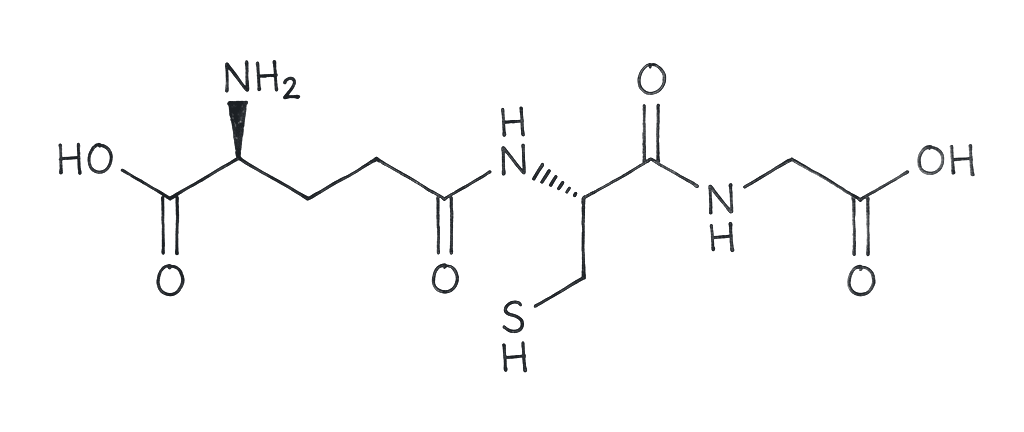
Sermorelin molecular structure (GHRH analog (peptide))

Why this needs to be personal

Why Personalized Sermorelin

The historical Geref label set sermorelin at 30 micrograms per kilogram nightly for pediatric growth hormone deficiency, and the adult investigational regimens in the published literature ran 1 to 2 micrograms per kilogram at bedtime for 8 to 16 weeks. Neither schedule was calibrated to your baseline IGF-1, your age- and sex-adjusted IGF-1 target range, your sleep-onset timing (the pulse the drug is meant to amplify happens during your own slow-wave sleep), or your tolerance for injection-site reactions, flushing, and headache. Sermorelin works by nudging the patient's own pituitary, so the response curve is the patient's, not the trial cohort's.

That gap is what a 503A compounding pharmacy is built for. A prescriber working from a baseline IGF-1 and a documented indication can write a microgram dose that lands inside the age-adjusted IGF-1 target rather than a fixed milligram strength, anchor the injection to the patient's actual bedtime to preserve the overnight GH pulse pattern that pulsatile dosing depends on, titrate down a step if the first weeks bring flushing or local reactions, and, where the prescriber has documented rationale, coordinate sermorelin with related GHRH or GHRP peptides like CJC-1295 or ipamorelin instead of forcing a one-molecule fit. Follow-up IGF-1 then drives the next adjustment, not a printed dose card.

This is what pharmacy looked like before mass manufacturing arrived. A prescriber wrote the order for one patient, a pharmacist prepared it for that patient, and the label carried that patient's name. Compounded sermorelin is that older arrangement, kept honest by modern oversight.

In brief

Sermorelin Explained

Sermorelin is a 29-amino-acid peptide that copies the active end of the body's natural growth hormone-releasing hormone (GHRH). When injected subcutaneously, it tells the pituitary gland to release the patient's own growth hormone in pulses rather than replacing growth hormone directly. The FDA approved a manufactured sermorelin product called Geref in the 1990s, first as a diagnostic test, then as a treatment for children with idiopathic growth hormone deficiency. The manufacturer withdrew Geref from the U.S. market in 2008 for commercial reasons, not safety 21. There is no FDA-approved sermorelin product available in the United States today.

Compounded sermorelin under 503A is prepared on patient-specific prescriptions for individual patients. The published evidence for sermorelin is strongest in pediatric growth hormone deficiency 109 and as a diagnostic stimulus for the GHRH-arginine test in adult GH deficiency 1920 21. Evidence for adult treatment and anti-aging use is weaker, short studies in older adults show modest changes in IGF-1 and body composition 1211, but the largest systematic review of growth hormone in healthy older adults 18 found no functional benefit and more adverse events. Sermorelin is not a fountain of youth. RonanRx compounds sermorelin only with documented clinical context and never as a direct-to-consumer anti-aging product.

At a glance

Quick Facts About Sermorelin

Category
Synthetic growth hormone-releasing hormone (GHRH) analog, the N-terminal 1-29 amino acid fragment of human GHRH, the shortest sequence that retains full GHRH-receptor agonist activity
Active ingredient
Sermorelin acetate, GRF(1-29)-NH2, a 29-amino-acid peptide corresponding to residues 1-29 of native human growth hormone-releasing hormone
Historical FDA status
Geref (sermorelin acetate, Serono) was FDA-approved in 1990 as a diagnostic test for growth hormone deficiency and in 1997 as a therapeutic for the long-term treatment of idiopathic growth hormone deficiency in children with growth failure. The manufacturer voluntarily withdrew Geref from the U.S. market in 2008 for commercial reasons unrelated to safety or efficacy.
Current FDA status
There is no FDA-approved sermorelin product available in the United States. Sermorelin is not approved for any indication in any population.
Route
Subcutaneous injection (the Geref label specified daily bedtime subcutaneous dosing in children); intravenous and intranasal routes have been studied
Evidence posture
Pediatric growth hormone deficiency: well_studied (basis of the 1997 Geref approval [neyzi1993, chen1993, hummelink1993, grunt1995]). Adult growth hormone deficiency diagnostics (GHRH-arginine stimulation): well_studied [molitch2011, yuen2019]. Adult-onset GH insufficiency therapy, body composition, sleep, anti-aging: emerging at best [walker2006, vittone1997, khorram1997_may, khorram1997_nov, corpas1992]. Anti-aging in healthy adults: not supported by adequately powered outcomes trials [liu2007].
Compounded under
503A, patient-specific prescription only, with documented clinical context (typically adult GH insufficiency with biochemical confirmation, or a clinical setting where GHRH-axis stimulation is the rational target)
Important honest framing
Sermorelin is not a fountain of youth. Anti-aging claims for sermorelin rest on short-term studies of IGF-1 and body composition surrogates [khorram1997_may, khorram1997_nov, vittone1997]; large-scale outcome data are absent, and the 2007 Annals of Internal Medicine systematic review of growth hormone in the healthy elderly [liu2007] documented small body composition changes with no functional benefit and increased adverse events. WADA prohibits GHRH analogs including sermorelin in competitive sport.

Prescription review

Patient-Specific Prescription Only

Sermorelin on this page is a 503A compounded preparation. Every dose is made on a prescription, for a named patient, by a licensed pharmacist. It is not a stocked, mass-manufactured product.

  • Made to order, not off a shelf. No batch sits in a warehouse waiting for buyers. Your prescription is what triggers the prep.
  • Named-patient label. The bottle carries your name. The batch records carry your prescription.
  • Dose, strength, and route chosen for you. A prescriber who knows your chart decides what gets compounded, not a manufacturer who set the strength for a trial population.
  • Licensed pharmacist on the hook. A real person, with a license that can be pulled, signs off on every prep. State inspectors check the facility.
  • Compounded drugs are not FDA-approved. They should not be evaluated using branded-drug trial data. Availability varies by state and prescribed medication.

Real medicine, not gray market

How This Differs from a Research-Use-Only Website

A research-use-only website ships a vial from a warehouse. There is no prescription, no pharmacist, no facility inspection, and no way to recall the product if something is wrong with it. If the vial is mislabeled, contaminated, or under-potent, there is nobody whose license is at stake.

A 503A compounding pharmacy is the other thing. Your doctor writes the prescription. A licensed pharmacist, whose name is on the label, prepares the medicine in a facility the state inspects. If something goes wrong, there is a person and a license on the hook, and a documented chain of custody on every lot. That accountability is what makes it safe.

What it is

What is Sermorelin?

Sermorelin (sermorelin acetate; GRF(1-29)-NH2) is a synthetic 29-amino-acid peptide corresponding to residues 1-29 of native human growth hormone-releasing hormone (GHRH 1-44). The 1-29 sequence is the shortest fragment of native GHRH that retains full agonist activity at the pituitary GHRH receptor, identified in classical structure-activity work in the early 1980s and developed clinically as a GHRH-axis probe and therapeutic stimulus during that decade 12.

Sermorelin was developed by Salk Institute investigators and Serono and was approved by FDA as Geref in 1990 as a diagnostic stimulus for evaluation of growth hormone secretion, and in 1997 as an extended-use therapeutic for long-term treatment of idiopathic growth hormone deficiency in children with growth failure 1521. The product was supplied as a lyophilized powder for reconstitution and subcutaneous injection. Serono voluntarily withdrew Geref from the U.S. market in 2008 for commercial reasons unrelated to safety or efficacy. No FDA-approved sermorelin product is available in the United States today.

Sermorelin under 503A is compounded as a sterile lyophilized powder or solution for subcutaneous injection on patient-specific prescriptions written by licensed prescribers for identified patients with documented clinical context. The compounded preparation is not bioequivalent to the historical Geref product, and the published efficacy evidence for sermorelin was generated with the manufactured Geref formulation and does not transfer to compounded preparations without separate stability, potency, and tolerability evaluation.

How it works

How Sermorelin Works

Class
GHRH analog (peptide)
First studied
1970s development; FDA-approved 1997
Common forms
Compounded subcutaneous injection
Compounding category
503A, patient-specific prescription

Sermorelin binds and activates the GHRH receptor on the pituitary somatotrope, stimulating pulsatile endogenous release of growth hormone (GH). Because sermorelin acts on the patient's own pituitary, GH secretion preserves a physiologic pulsatile pattern, mechanistically distinct from continuous exposure produced by direct administration of recombinant human GH 16. The downstream rise in serum insulin-like growth factor-1 (IGF-1) mediates many of the peripheral effects associated with chronic GHRH-receptor agonism, including modest lipolysis and lean-mass changes in adults 111213.

Sermorelin has a short plasma half-life of minutes after subcutaneous administration, characteristic of small peptide GHRH analogs. Despite this short pharmacokinetic exposure, the discrete pulsatile GH response generated per dose is sufficient to support nightly subcutaneous dosing regimens in research protocols and in the historical pediatric labeled regimen 1011. The mechanism is dependent on intact pituitary somatotrope function, patients with hypopituitarism, prior pituitary surgery, or head irradiation may have insufficient endogenous GH reserves to mount a clinically meaningful response.

Sermorelin's GHRH-receptor agonism is shared by other GHRH-axis peptides used clinically and in research, most notably tesamorelin (a stabilized GHRH (1-44) analog with FDA approval for HIV-associated lipodystrophy), CJC-1295 (a longer-acting GHRH (1-29) analog), and other 1-29 analogs developed in academic and industrial programs. Sermorelin is functionally and mechanistically distinct from ghrelin receptor agonists (ipamorelin, GHRP-2, GHRP-6, hexarelin), which act at a different pituitary receptor.

Research history

Sermorelin Research History

GHRH was isolated and sequenced in 1982 from human pancreatic islet-cell tumors causing acromegaly, in parallel work by Guillemin and Vale. Structure-activity studies through 1983-1985 established that the N-terminal 1-29 fragment retains full GHRH-receptor agonist activity, with the 1-44 sequence being the native form and 1-40 and 1-29 forms also retained physiologic activity. Sermorelin (GRF(1-29)-NH2) was developed by Salk Institute and Serono on the basis of this work and entered human clinical investigation in the mid-1980s 12.

Acute human dose-response and route-of-administration studies by Vance, Evans, Thorner, and colleagues (1986, Clin Pharmacol Ther) 1 established the IV, SC, and intranasal routes and characterized GH secretory responses to a Norleucine-27-substituted sermorelin analog in healthy men. Pediatric studies through the late 1980s and 1990s established growth velocity gains with daily or twice-daily subcutaneous GHRH (1-29) in children with idiopathic growth hormone deficiency, with response rates and magnitude of growth comparable to recombinant GH in selected responders and inferior in patients with structural pituitary lesions 349. FDA approved Geref (sermorelin acetate, Serono) in 1990 as a diagnostic stimulus for GH-axis evaluation, and approved an extended-use Geref formulation in 1997 for long-term treatment of idiopathic GH deficiency in children with growth failure 2115 7.

Adult-aging studies in the 1990s evaluated sermorelin as a tool to reverse the age-related GH/IGF-1 decline. Corpas and colleagues (1992, JCEM) 6 reported that twice-daily subcutaneous GHRH (1-29) in older men over weeks raised mean overnight GH and serum IGF-1 toward mid-normal-young-adult range. Vittone and colleagues (1997, Metabolism) 11 reported single nightly subcutaneous injections of sermorelin in healthy older adults over 16 weeks raised mean overnight GH and IGF-1 with modest reductions in body fat. Khorram and colleagues (1997, JCEM May and Nov) 1213 reported endocrine and metabolic effects of long-term (16-week) administration of sermorelin in healthy older adults with increases in lean body mass on the order of 1-2 kg and reductions in trunk fat. Friend and colleagues 1997 14 characterized somatostatinergic modulation of GH burst architecture.

Serono voluntarily withdrew Geref from the U.S. market in 2008 for commercial reasons unrelated to safety or efficacy. The FDA discontinuation removed the only U.S.-approved sermorelin product, but the GHRH-arginine test using sermorelin or a comparable GHRH analog remained a guideline-recommended diagnostic option for adult GH deficiency in subsequent Endocrine Society (2011) 19 and AACE (2019) 20 adult GHD guidelines, generally supplied through compounding or research-grade material since 2008. Walker 2006 (Clinical Interventions in Aging) 16 reviewed the rationale for GHRH stimulation as an alternative to recombinant GH in adult-onset GH insufficiency. The 2007 Liu systematic review (Annals of Internal Medicine) 18 of growth hormone administration in healthy older adults, which informs the GHRH-stimulation literature by analogy, concluded that body composition changes are small and functional benefit unproven, with increased rates of edema, arthralgia, carpal tunnel syndrome, and glucose intolerance 810. The 1990 Rudman NEJM trial of recombinant GH in older men 5 is frequently invoked in popular anti-aging coverage but did not measure functional outcomes and used recombinant GH rather than sermorelin. Grugni and colleagues 2006 17 reported GHRH+arginine response patterns in adult Prader-Willi syndrome. WADA includes GHRH analogs (sermorelin, tesamorelin, CJC-1295) on its prohibited list for competitive sport 26.

Timeline

Sermorelin Timeline

  1. 1982 GHRH isolated and sequenced from human pancreatic tumors causing acromegaly (Guillemin and Vale, parallel work)
  2. 1986 Vance, Evans, Thorner et al 1. (Clin Pharmacol Ther) characterize IV, SC, and intranasal dose-response of GHRH(1-29)-NH2 in healthy men
  3. 1986 Grossman (Clin Endocrinol Metab) reviews GHRH structure-activity and clinical pharmacology 2
  4. 1988 Hernández et al 3. (Horm Res) report subcutaneous GHRH for short stature in children
  5. 1989 Tauber et al 4. (Acta Paediatr Scand Suppl), continuous subcutaneous GHRH infusion modifies 24-hour GH secretion
  6. 1990 FDA approves Geref (sermorelin acetate, Serono) as a diagnostic stimulus for evaluation of growth hormone secretion 21
  7. 1990 Rudman et al 5. (NEJM) report effects of recombinant human growth hormone in men over 60, the trial later widely invoked in anti-aging coverage, using recombinant GH rather than sermorelin
  8. 1992 Corpas et al 6. (JCEM), twice-daily subcutaneous GHRH (1-29) reverses age-related GH/IGF-1 decline in older men
  9. 1993 Chen et al., Hümmelink et al., Neyzi et al 789. (Acta Paediatr Suppl), comparative pediatric studies of GHRH (1-29) vs recombinant GH in idiopathic GHD
  10. 1995 Grunt et al 10. (Acta Paediatr), long-term GHRH (1-29) in significantly short children, growth velocity gains over multi-year follow-up
  11. 1997 FDA approves extended-use Geref formulation for long-term treatment of idiopathic growth hormone deficiency in children with growth failure 2115
  12. 1997 Vittone et al 11. (Metabolism), Khorram et al 1213. (JCEM May and Nov), 16-week nightly sermorelin in healthy older adults raises IGF-1 and produces modest body composition changes
  13. 1997 Friend et al 14. (Eur J Endocrinol), somatostatinergic modulation of GH burst architecture under pyridostigmine, informing GHRH-stimulation physiology
  14. 1999 Prakash & Goa (BioDrugs) review sermorelin use in diagnosis and treatment of children with idiopathic GHD 15
  15. 2006 Walker (Clin Interv Aging) reviews sermorelin as an alternative approach to adult-onset growth hormone insufficiency management 16
  16. 2006 Grugni et al 17. (Clin Endocrinol Oxf), GHRH+arginine response patterns in adult Prader-Willi syndrome
  17. 2007 Liu et al 18. (Ann Intern Med), systematic review of growth hormone in healthy elderly: small body composition changes without functional benefit, increased adverse events
  18. 2008 Serono voluntarily withdraws Geref from the U.S. market for commercial reasons unrelated to safety or efficacy; no FDA-approved sermorelin product available in the U.S 21. since
  19. 2011 Endocrine Society adult GH deficiency clinical practice guideline (Molitch et al., JCEM) retains GHRH-arginine test as a guideline-recommended diagnostic option 19
  20. 2019 AACE/ACE adult GH deficiency clinical practice guideline (Yuen et al., Endocr Pract) retains GHRH-arginine test as a guideline-recommended diagnostic option 20

Natural role

Biological Role of Sermorelin

Growth hormone-releasing hormone is the master positive regulator of the somatotrope axis. Hypothalamic GHRH neurons secrete GHRH into hypophyseal portal blood in a pulsatile pattern that drives pulsatile pituitary GH release, which in turn stimulates hepatic and tissue IGF-1 production. The axis mediates linear growth in childhood, body composition regulation across the lifespan (lean mass, visceral adiposity, insulin sensitivity), and tissue-specific effects on bone, skeletal muscle, and immune function. Native GHRH is opposed in real time by somatostatin from a separate hypothalamic neuronal population, and the balance of GHRH-versus-somatostatin tone determines GH pulse amplitude and frequency.

With aging, integrated 24-hour GH secretion declines markedly, by approximately 50% from young adulthood to age 60-70, accompanied by parallel declines in serum IGF-1. This 'somatopause' was the rationale for early sermorelin trials in older adults 611. Whether the age-related decline represents a deficiency state warranting pharmacologic intervention or a physiologic adaptation is debated, and the 2007 Liu systematic review 18 of GH administration in healthy older adults concluded that the body composition signal is small and the functional benefit unproven.

Clinical contexts studied

Clinical Contexts for Sermorelin

Idiopathic growth hormone deficiency in children (historical Geref indication) well studied

Historical FDA-approved indication (1997 Geref label). The manufactured product was withdrawn in 2008. No FDA-approved sermorelin product is currently available in the United States, and contemporary pediatric GHD is treated with recombinant growth hormone.

The historical Geref pediatric indication was supported by controlled and open-label studies of subcutaneous GHRH (1-29) in children with idiopathic GHD and intact pituitary somatotrope function, demonstrating growth velocity gains 348. Response was generally inferior in patients with structural pituitary lesions or hypothalamic damage, reflecting the requirement for intact pituitary GHRH-receptor signaling. The 1997 Geref approval was withdrawn commercially in 2008 1521. RonanRx does not compound sermorelin for pediatric use; pediatric GHD is treated with recombinant growth hormone per current pediatric endocrinology guidelines 9710.

GHRH-arginine diagnostic stimulation test for adult GH deficiency well studied

Guideline-recommended diagnostic use. Not a therapeutic indication. Conducted under endocrinology supervision with formal testing protocols.

GHRH (1-29) administered with intravenous arginine remains a guideline-recommended diagnostic stimulus for adult GH deficiency in the 2011 Endocrine Society 19 and 2019 AACE 20 adult GHD guidelines. Test sensitivity is high in adult-onset hypopituitarism but lower in patients with hypothalamic-level pathology, where the test bypasses upstream regulation and may yield false-negative results 19. Following the 2008 Geref withdrawal, GHRH analog supply for this test has been dependent on compounding or research-grade material. Grugni and colleagues 2006 17 characterized GHRH+arginine response in adult Prader-Willi syndrome.

Adult growth hormone insufficiency, therapeutic GHRH stimulation emerging

Investigational. No adequately powered outcomes trial. Compounded sermorelin under 503A is appropriate only with documented adult GH-axis insufficiency, biochemical confirmation, prescriber-documented rationale for GHRH stimulation rather than recombinant GH replacement, and monitoring.

Walker 2006 16 reviewed the rationale for GHRH-axis stimulation as a more physiologic alternative to recombinant GH replacement in adult-onset GH insufficiency with intact pituitary somatotrope function. Short-term studies in older adults documented IGF-1 elevation and modest body composition changes, but no controlled trial has demonstrated improvements in morbidity, mortality, or function. The published evidence does not support routine substitution of sermorelin for recombinant GH in adult GHD 13. RonanRx compounds sermorelin in this context only on a patient-specific prescription with documented clinical rationale and monitoring plan 61112.

Off-label use

Off-Label Uses of Sermorelin

Anti-aging and body composition in healthy adults emerging

Not an FDA-approved indication. Evidence for sermorelin as an anti-aging therapy is weak. RonanRx does not compound sermorelin for anti-aging indications.

Short-term studies of nightly sermorelin in healthy older adults documented IGF-1 elevation and small body composition changes (1-2 kg lean mass, modest trunk fat reduction) over 8-16 weeks. None of these studies measured functional or morbidity endpoints. The 2007 Liu systematic review of growth hormone in healthy older adults 18, informative by analogy, concluded that body composition changes are small, functional benefit is unproven, and rates of edema, arthralgia, carpal tunnel syndrome, and glucose intolerance are higher than placebo 1112. The Rudman 1990 NEJM trial 5 commonly cited in popular anti-aging coverage used recombinant GH, not sermorelin, and did not measure functional outcomes. Sermorelin should not be framed as an anti-aging therapy on the basis of the available evidence 136.

Athletic performance and ergogenic use emerging

Not an FDA-approved indication. WADA prohibits GHRH analogs including sermorelin in competitive sport.

WADA includes growth hormone-releasing factors and GHRH analogs (sermorelin, tesamorelin, CJC-1295, CJC-1293) on the prohibited list under S2 (Peptide Hormones, Growth Factors, Related Substances and Mimetics) for in- and out-of-competition use 26. No clinical evidence supports sermorelin as a safe or effective ergogenic agent in athletes. RonanRx does not compound sermorelin for athletic performance, body composition in adults without documented GH insufficiency, or other ergogenic indications.

Sleep quality, recovery, general well-being emerging

Not an FDA-approved indication. Not supported by adequately powered evidence. RonanRx does not compound sermorelin for these indications without documented clinical context.

Consumer marketing of sermorelin frequently includes claims of improved deep sleep, accelerated recovery, and general well-being. The published evidence is limited to changes in overnight GH secretion patterns and surrogate measures in short studies 111213; no controlled trial has demonstrated improvements in patient-reported sleep quality, recovery, or well-being endpoints. These uses sit outside any documented clinical indication.

FDA-approved use

FDA-Approved Uses of Sermorelin

Geref (sermorelin acetate, Serono) was FDA-approved in 1990 as a diagnostic stimulus for evaluation of growth hormone secretion 21. An extended-use Geref formulation was FDA-approved in 1997 for long-term treatment of idiopathic growth hormone deficiency in children with growth failure 15. Serono voluntarily withdrew Geref from the U.S. market in 2008 for commercial reasons unrelated to safety or efficacy. There is no FDA-approved sermorelin product available in the United States today, and sermorelin is not approved for any indication, in any population, in current FDA labeling. Compounded sermorelin under 503A is not FDA-approved.

Compounded use

Compounded Sermorelin (503A)

Sermorelin is not currently FDA-approved for any indication in the United States. Compounded sermorelin under 503A is dispensed on patient-specific prescriptions written by licensed prescribers for identified patients with documented clinical context. Because there is no manufactured FDA-approved sermorelin product on the U.S. market, FDA's essentially-a-copy-of-an-approved-drug guidance 23 does not directly constrain compounded sermorelin in the way it constrains compounded copies of currently marketed products (such as tesamorelin/Egrifta or semaglutide/Ozempic) 21. Compounding pharmacies dispensing sermorelin nonetheless operate under the patient-specific 503A framework with full pharmacist review 697.

RonanRx compounds sermorelin only on a patient-specific prescription with documented clinical context, typically (1) adult growth hormone insufficiency with biochemical confirmation and prescriber-documented rationale for GHRH-axis stimulation rather than recombinant GH replacement, or (2) other prescriber-documented clinical settings where GHRH-receptor agonism is the rational therapeutic target 21 1112. RonanRx does not compound sermorelin for anti-aging, athletic performance, body composition in adults without documented GH insufficiency, sleep optimization, or other off-label consumer indications. These uses sit outside any documented clinical indication and outside the published efficacy program for sermorelin 1015.

Compounded sermorelin preparations are typically dispensed as sterile lyophilized powder for reconstitution and subcutaneous injection prior to administration 22. The compounded preparation is not bioequivalent to the historical Geref product; PK/PD characteristics may differ from the manufactured product depending on excipient profile, lyophilization conditions, and container closure. The published pediatric efficacy evidence for Geref was generated with the manufactured product and does not transfer to compounded preparations without separate stability, potency, and tolerability evaluation 21. Adult-aging studies used research-grade GHRH (1-29) preparations 13.

Formulations and routes

Sermorelin Formulations and Routes

FormConcentrationDescription
Sterile lyophilized powder for subcutaneous injection (compounded) Custom, typically reconstituted to deliver microgram-to-milligram per dose on a patient-specific prescription; pediatric historical Geref dosing was 30 micrograms/kg subcutaneously once daily at bedtime Sterile lyophilized preparation compounded under USP General Chapter <797> on a patient-specific prescription. Container closure, excipient profile, and lyophilization conditions are documented per batch. Beyond-use dating follows USP <797> requirements and pharmacy stability data.24

Routes used in published literature: subcutaneous, intravenous, intranasal.

Dosing

Sermorelin Dosing

RoutePopulationRangeDurationStudy type
Subcutaneous Children with idiopathic growth hormone deficiency (historical Geref labeled regimen, withdrawn 2008) 30 micrograms/kg subcutaneously once daily at bedtime per the historical Geref label for long-term treatment of idiopathic GHD Continued through growth period in pediatric GHD per historical labeling Historical FDA-approved labeled regimen (Geref, withdrawn 2008)211510
Subcutaneous Healthy older adults (investigational, anti-aging surrogate-endpoint studies) 1-2 micrograms/kg subcutaneously at bedtime as used in Vittone 1997 and Khorram 1997 studies, or 1 mg subcutaneously twice daily as used in Corpas 1992 8-16 weeks in published trials Randomized investigational dosing in healthy older adults1112136
Intravenous Adults undergoing GHRH-arginine stimulation testing for adult GH deficiency diagnosis 1 microgram/kg IV bolus GHRH with 0.5 g/kg IV arginine infusion over 30 minutes, with serial GH sampling per standard protocol Single test (acute) Guideline-recommended diagnostic test1920

Doctor-prescribed only. The historical pediatric Geref regimen was 30 micrograms/kg subcutaneously once daily at bedtime; the manufactured product was withdrawn in 2008 and RonanRx does not compound sermorelin for pediatric use 21 6. Adult investigational regimens have used nightly subcutaneous sermorelin in the range of 1-2 micrograms/kg, or twice-daily dosing of 1 mg, in research protocols of 8-16 weeks duration 11. No FDA-approved adult therapeutic regimen exists.

Patient-specific compounded prescriptions should include the indication, prescribed dose and frequency, duration of therapy with reassessment intervals, baseline and follow-up IGF-1 monitoring plan, baseline and follow-up glycemic monitoring (given the GH-axis glucose-tolerance signal), and contraindication screening (hypothalamic-pituitary axis disruption, active malignancy, pituitary tumor). RonanRx does not fill sermorelin prescriptions without documented clinical context 21 1213.

Doses listed are literature context, not patient instructions. Dosing decisions are made by the prescribing doctor and tailored to the individual patient.

Safety

Sermorelin Safety

Safety overview

Sermorelin safety in the controlled trial literature is characterized primarily by injection-site reactions (erythema, pain, swelling, pruritus at the injection site), flushing, headache, transient mild glucose intolerance, and an expected dose-dependent rise in IGF-1. Injection-site reactions were typically mild, self-limited, and infrequently caused discontinuation across the pediatric and adult-aging trial literature 21. Hypersensitivity reactions including urticaria, rash, and rare anaphylaxis have been reported with peptide GHRH analogs as a class.

The IGF-1 elevation is a class-relevant consideration. Sermorelin produces a sustained rise in serum IGF-1 reflecting endogenous GH secretion; long-term IGF-1 elevation has theoretical concerns regarding effects on neoplasia, although no controlled trial of sermorelin has been large enough or long enough to characterize neoplasia risk 10. Glucose intolerance is a class signal: small increases in fasting plasma glucose and modest reductions in insulin sensitivity were observed in some adult-aging studies 1213, paralleling the broader GH-axis literature 18. Sermorelin should not be used in patients with active malignancy, and known or suspected pituitary tumor or other CNS tumor is a contraindication consistent with the historical Geref label 21.

Long-term cardiovascular safety has not been established for sermorelin in any population. The pediatric labeled population was treated for growth velocity gains, not cardiovascular outcomes. The adult-aging trial literature is short-duration and surrogate-endpoint. The 2007 Liu systematic review of growth hormone in healthy older adults 18 documented increased rates of edema, arthralgia, carpal tunnel syndrome, and glucose intolerance with GH administration; whether GHRH-stimulation-based regimens carry an equivalent profile has not been characterized in equivalently powered studies 111. WADA prohibits GHRH analogs including sermorelin in competitive sport 26 21.

Contraindications

Sermorelin is contraindicated in patients with hypersensitivity to sermorelin or to any excipient in the compounded preparation. Consistent with the historical Geref label and the GHRH-analog class, sermorelin is contraindicated in patients with active malignancy (either newly diagnosed or recurrent), in patients with known or suspected pituitary tumor or other CNS tumor, and in pregnancy. Severe disruption of the hypothalamic-pituitary axis due to hypophysectomy, hypopituitarism with structural pituitary lesion, head irradiation, or head trauma may render the pituitary unable to mount a meaningful GH response to GHRH stimulation; sermorelin is not appropriate in these populations as a therapeutic 21.

Caution applies in patients with diabetes mellitus, glucose intolerance, or risk factors for diabetes given the labeled glucose intolerance signal across the GH-axis class. Concomitant glucocorticoid therapy may blunt the GH response to GHRH. Sermorelin should be discontinued in patients who develop signs or symptoms of pituitary or other neoplasia during therapy 18.

Drug interactions

Sermorelin is a peptide cleared by proteolytic catabolism and is not metabolized by cytochrome P450 enzymes; clinically significant CYP-mediated drug-drug interactions are not expected 21. Glucocorticoid replacement requirements may need adjustment in patients receiving concomitant glucocorticoids, which suppress the GH response to GHRH. The labeled glucose intolerance signal warrants attention in patients receiving insulin or oral hypoglycemic agents, where small changes in glycemic control may require dose adjustment of antidiabetic therapy.

Concomitant thyroid hormone, sex steroid, or somatostatin analog therapy can modulate the GH response to GHRH stimulation. Pyridostigmine and other cholinergic agents amplify GH burst mass by reducing somatostatinergic tone 14 and can confound interpretation of GH responses to sermorelin if administered concurrently 21. Concomitant ghrelin receptor agonists (ipamorelin, GHRP-2, GHRP-6, hexarelin) produce additive GH-secretion effects; no controlled trial supports combining these classes therapeutically.

Adverse events

Across the historical pediatric trial program and adult-aging research literature, the most common adverse events with sermorelin versus placebo were injection-site reactions (erythema, pain, swelling, pruritus at site), flushing, transient headache, occasional dysgeusia or nausea, and expected dose-dependent rises in IGF-1 15. Injection-site reactions were typically mild to moderate, concentrated in the early weeks of therapy, and infrequently caused discontinuation. Hypersensitivity reactions occurring as systemic urticaria, pruritus, flushing, and rare anaphylaxis have been reported across the peptide GHRH-analog class 111213.

Anti-sermorelin antibodies were detected in a minority of patients across the pediatric Geref experience; antibody formation did not consistently predict loss of efficacy. Small increases in fasting plasma glucose, fasting insulin, and modest reductions in insulin sensitivity were observed in some adult-aging studies; rare progression to overt diabetes was not characterized. The GH-axis adverse event profile documented by Liu and colleagues 2007 18 in healthy older adults on recombinant GH, edema, arthralgia, carpal tunnel syndrome, glucose intolerance, is plausibly relevant to chronic GHRH-stimulation regimens by analogy, though direct controlled trial data of equivalent power are not available 110.

Monitoring

Monitoring Sermorelin Therapy

Baseline assessment should include a focused history for hypothalamic-pituitary axis disruption, current or prior malignancy, pituitary tumor or sellar mass, diabetes mellitus or glucose intolerance, pregnancy status, and hypersensitivity 21. Baseline laboratory should include IGF-1 (interpreted against age- and sex-adjusted normal range), fasting plasma glucose and HbA1c, and routine metabolic panel. Where adult GH deficiency is the indication, biochemical confirmation by stimulation testing per current guidelines 1920 should be documented prior to therapy.

On therapy: IGF-1 at baseline and periodically (typically 4-8 weeks after initiation and at clinically appropriate intervals thereafter) with dose adjustment if IGF-1 exceeds two standard deviations above the age- and sex-adjusted normal range; fasting plasma glucose and HbA1c at intervals appropriate to the patient's risk; assessment of injection-site tolerance at clinic visits; reassessment of indication-specific response (growth velocity in pediatric historical use; body composition or symptom score in adult contexts) at appropriate intervals 21. Patients should be educated to recognize and report symptoms of hypersensitivity, hyperglycemia, edema, arthralgia, carpal tunnel symptoms, and any new neurologic or visual symptoms that might suggest pituitary pathology.

Special populations

Sermorelin in Special Populations

Pregnancy

Sermorelin should not be used in pregnancy. There is no FDA-approved sermorelin product, no adequately powered pregnancy data, and no therapeutic indication that would justify GH-axis stimulation in pregnancy 21. Pregnancy status should be confirmed before initiation in patients with reproductive potential.

Lactation

There are no data on the presence of sermorelin in human milk, its effects on the breastfed infant, or its effects on milk production. Sermorelin should not be administered to lactating patients absent a documented clinical indication and shared decision-making with the prescriber 21.

Pediatric

The historical Geref pediatric indication (1997) was long-term treatment of idiopathic growth hormone deficiency in children with growth failure, with documented growth velocity gains in selected responders 1078. Geref was withdrawn from the U.S. market in 2008. Contemporary pediatric GHD is treated with recombinant growth hormone per current pediatric endocrinology practice 915. RonanRx does not compound sermorelin for pediatric use 21.

Geriatric

Older adults have a documented age-related decline in integrated GH secretion and serum IGF-1. Short-term studies of nightly subcutaneous sermorelin in healthy older adults raised IGF-1 and produced modest body composition changes. None of these studies measured functional outcomes. The 2007 Liu systematic review 18 of growth hormone in healthy older adults documented small body composition changes without functional benefit and an increased rate of adverse events on GH 1112. Routine sermorelin use for healthy aging is not supported by the available evidence 136.

Renal impairment

Dedicated renal-impairment pharmacokinetic studies of sermorelin are not available. Sermorelin is a peptide cleared by proteolytic catabolism; the renal contribution to clearance is minor. Dose adjustment on the basis of renal function was not specified in the historical Geref labeling; clinical judgment applies in patients with severe renal impairment 21.

Hepatic impairment

Dedicated hepatic-impairment pharmacokinetic studies of sermorelin are not available. Cytochrome P450 metabolism is not a significant clearance pathway. Dose adjustment on the basis of hepatic function was not specified in the historical Geref labeling; clinical judgment applies in patients with severe hepatic impairment 21.

Evidence quality

Sermorelin Evidence Quality

Evidence supporting the historical Geref pediatric indication for idiopathic growth hormone deficiency is well-studied but dated 7815. Controlled and open-label studies through the 1980s and 1990s demonstrated growth velocity gains with subcutaneous GHRH (1-29) in children with intact pituitary somatotrope function, supporting the 1997 FDA approval 4136. Geref was voluntarily withdrawn in 2008 for commercial reasons. Contemporary pediatric GHD is treated with recombinant growth hormone 31112.

Evidence for sermorelin as a diagnostic GHRH-arginine stimulus in adult GH deficiency is well-studied, with retained guideline-recommended status in both the 2011 Endocrine Society 19 and 2019 AACE 20 adult GHD clinical practice guidelines, modulated by the recognition that hypothalamic pathology can yield false-negative tests 19.

Evidence for adult therapeutic use of sermorelin is emerging and surrogate-endpoint. Short randomized studies in healthy older adults documented IGF-1 elevation and modest body composition changes over 8-16 weeks. Walker 2006 16 reviewed the rationale for adult-onset GH insufficiency therapy. None of this evidence base establishes morbidity, mortality, or functional benefit. The 2007 Liu systematic review of recombinant growth hormone in healthy older adults 18, relevant by analogy, concluded that body composition changes are small, functional benefit is unproven, and adverse events are increased 910. Evidence for sermorelin specifically as an anti-aging therapy is weak. Sermorelin should be framed honestly: a legitimate compounded GHRH analog with a well-characterized mechanism, a defined diagnostic role, a historical pediatric indication, and limited evidence supporting routine adult therapeutic use absent documented GH-axis insufficiency.

Major studies

Major Sermorelin Clinical Studies

StudyDesignParticipantsDurationFinding
Vance, Evans, Thorner et al. (1986, Clin Pharmacol Ther), Dose-response IV/SC/intranasal sermorelin in healthy men Dose-response study of GHRH(1-29)-NH2 administered intravenously, subcutaneously, and intranasally in healthy men Established the IV, SC, and intranasal dose-response relationships and route comparability of sermorelin in healthy men; foundational human pharmacology 1
Corpas et al. (1992, JCEM), Twice-daily GHRH (1-29) reverses age-related GH/IGF-1 decline in old men Randomized controlled study of twice-daily subcutaneous GHRH (1-29) in older men over weeks 2 weeks Twice-daily subcutaneous sermorelin raised mean overnight GH secretion and serum IGF-1 toward mid-normal-young-adult range, reversing the age-related decline in this short-term protocol 6
Vittone et al. (1997, Metabolism), 16-week nightly sermorelin in healthy older adults Randomized study of single nightly subcutaneous sermorelin injections in healthy older adults 16 weeks Nightly subcutaneous sermorelin raised mean overnight GH concentrations and IGF-1 over 16 weeks with modest body composition changes in healthy older adults 11
Khorram et al. (1997, JCEM May), Long-term sermorelin endocrine and metabolic effects Randomized study of long-term GHRH(1-29) administration in healthy older adults 16 weeks Chronic nightly subcutaneous sermorelin in healthy older adults raised IGF-1 and produced modest lean-mass increases on the order of 1-2 kg with reductions in trunk fat 12
Khorram et al. (1997, JCEM Nov), GHRH (1-29) administration in healthy older men and women Randomized study of GHRH(1-29)-NH2 administration in healthy older men and women 16 weeks Confirmed Khorram May 1997 findings of IGF-1 elevation and modest body composition changes in healthy older adults of both sexes, with attention to sex-specific response patterns 13
Neyzi et al. (1993, Acta Paediatr Suppl), GHRH (1-29) vs growth hormone in children Comparative study of GHRH (1-29) versus recombinant growth hormone for stimulation of growth in children with GHD Growth velocity gains with GHRH (1-29) comparable to recombinant GH in selected pediatric responders with intact pituitary function 9
Chen et al. (1993, Acta Paediatr Suppl), Comparative GH vs GHRH (1-29) in children Comparative pediatric study of GH and GHRH (1-29)-NH2 for stimulation of growth Documented growth velocity gains with GHRH (1-29) supporting pediatric idiopathic GHD development 7
Hümmelink et al. (1993, Acta Paediatr Suppl), Intranasal GHRH (1-29) in children with GHD Pediatric study of intranasal GHRH (1-29)-NH2 administration in children with growth hormone neurosecretory dysfunction Intranasal sermorelin produced GH responses sufficient to drive growth in selected pediatric responders 8
Grunt et al. (1995, Acta Paediatr), Long-term GHRH (1-29) in significantly short children Long-term open-label study of GHRH (1-29) in significantly short children Sustained growth velocity gains with long-term GHRH (1-29) in selected pediatric responders, contributing to the evidence base for the 1997 Geref pediatric indication 10
Walker (2006, Clin Interv Aging), Sermorelin review for adult-onset GH insufficiency Narrative review of sermorelin pharmacology and rationale for adult-onset growth hormone insufficiency management Reviewed the rationale for GHRH-axis stimulation as a more physiologic alternative to recombinant GH in adults with intact pituitary somatotrope function; did not establish efficacy with morbidity endpoints 16
Liu et al. (2007, Ann Intern Med), Systematic review of GH in healthy elderly Systematic review of randomized controlled trials of growth hormone administration in healthy older adults Across 31 trials, GH administration in healthy older adults produced small body composition changes (lean mass +2.1 kg, fat mass -2.1 kg) without functional benefit and with increased rates of edema, arthralgia, carpal tunnel syndrome, and glucose intolerance; informative by analogy for chronic GHRH-stimulation regimens 18
Molitch et al. (2011, JCEM), Endocrine Society adult GHD guideline Clinical practice guideline for evaluation and treatment of adult GH deficiency Retained the GHRH-arginine test as a guideline-recommended diagnostic option for adult GH deficiency with caveats about hypothalamic-level pathology 19
Yuen et al. (2019, Endocr Pract), AACE/ACE adult GHD guideline AACE/ACE clinical practice guideline for management of GH deficiency in adults and patients transitioning from pediatric to adult care Retained the GHRH-arginine test as a guideline-recommended diagnostic option and updated diagnostic and therapeutic recommendations for adult GH deficiency 20

Mechanism detail

Detailed Mechanism of Sermorelin

Native human GHRH is a 44-amino-acid hypothalamic peptide secreted into hypophyseal portal blood and is the principal positive regulator of pituitary GH release. Structure-activity work in the early 1980s by Vale, Rivier, and colleagues at the Salk Institute identified the 1-29 N-terminal fragment as the shortest sequence retaining full agonist activity at the pituitary GHRH receptor, sermorelin (GRF(1-29)-NH2) was developed directly from this finding. The 1-29 sequence is rapidly cleaved at the Tyr-Ala N-terminus by plasma dipeptidyl peptidase-IV (DPP-IV), accounting for the short minute-scale plasma half-life 12.

Mechanistic pharmacology in humans is well characterized. Thorner and colleagues (Vance, Evans, Thorner, 1986) 1 reported dose-response relationships of GHRH(1-29)-NH2 (the norleucine-substituted analog used in early sermorelin development) administered by intravenous, subcutaneous, and intranasal routes in healthy men, establishing the subcutaneous and intravenous routes as the clinically meaningful pathways for acute GH stimulation. Subsequent work in healthy older adults established that nightly subcutaneous sermorelin restores pulsatile GH secretion patterns closer to younger-adult norms, with elevations in IGF-1 to mid-normal-young-adult range over weeks of dosing. Friend and colleagues 1997 14 characterized the GH burst architecture under cholinergic modulation, providing context for how somatostatinergic tone modulates the GH response to GHRH stimulation.

In pediatric growth hormone deficiency, the rationale for sermorelin is restoration of the patient's own pituitary pulse architecture 697. Comparative pediatric studies of GHRH (1-29) versus recombinant GH demonstrated growth velocity gains in idiopathic GHD with intact pituitary somatotrope function, supporting the 1997 Geref label for long-term treatment of pediatric idiopathic GHD 13103. Tauber and colleagues 1989 4 reported modification of 24-hour GH secretion with continuous subcutaneous GHRH infusion. Hümmelink and colleagues 1993 8 demonstrated intranasal sermorelin activity in children with GH neurosecretory dysfunction.

Diagnostically, GHRH (1-29), administered as sermorelin or in combination with arginine, remains a stimulus in the GHRH-arginine test for evaluation of adult GH deficiency, retained as a guideline-recommended diagnostic option by the 2011 Endocrine Society 19 and 2019 AACE 20 adult GHD guidelines. Use of the GHRH-arginine test in adults with hypothalamic pathology can yield false-negative results because the test bypasses upstream hypothalamic regulation 19. Grugni and colleagues 2006 17 characterized GHRH+arginine response patterns in adult Prader-Willi syndrome, an inherited disorder with somatotrope-axis dysfunction.

Pharmacokinetically, sermorelin is cleared by proteolytic catabolism with no cytochrome P450 involvement; renal and hepatic dosing adjustments are not specified in the historical Geref labeling. Pharmacodynamically, with chronic nightly subcutaneous dosing in adults, IGF-1 rises to a new steady state within approximately 2-4 weeks and declines back toward baseline within weeks of discontinuation, parallel to other GHRH analogs 1112.

Pharmacology

Sermorelin Pharmacokinetics & Pharmacodynamics

Pharmacokinetics

Sermorelin is a 29-amino-acid GHRH (1-29) peptide cleared by proteolytic catabolism. The plasma half-life after subcutaneous administration is short, typically minutes, reflecting rapid degradation by dipeptidyl peptidase-IV (DPP-IV) cleavage at the N-terminal Tyr-Ala dipeptide. Despite the short plasma half-life, the pharmacodynamic GH response is durable enough to support nightly dosing in the historical Geref pediatric regimen and in adult-aging research protocols 11112 21.

Subcutaneous bioavailability is high enough to produce robust GH responses; intravenous and intranasal routes have also been characterized 1. Cytochrome P450 enzymes are not implicated in clearance, and dose adjustment on the basis of renal or hepatic function was not specified in the historical Geref labeling. Compounded sermorelin preparations may differ from the historical Geref product in lyophilization conditions, excipient profile, and container closure; PK characteristics published for the manufactured product should not be assumed to translate without local stability and potency data 21.

Pharmacodynamics

Pharmacodynamic effects include stimulation of pulsatile endogenous GH secretion at the pituitary somatotrope, a downstream rise in serum IGF-1, and tissue effects mediated through the GH-IGF-1 axis. With chronic nightly subcutaneous dosing in healthy older adults, IGF-1 rises to a new steady state within approximately 2-4 weeks and declines back toward baseline within weeks of discontinuation 11. Body composition changes (modest increases in lean mass, modest reductions in trunk fat) accrue over weeks to months in adults 12136.

In children with idiopathic growth hormone deficiency and intact pituitary somatotrope function, the pharmacodynamic response over months to years was growth velocity gain comparable to recombinant GH in selected responders 1097. Acutely, IV or subcutaneous sermorelin produces a discrete GH secretory pulse that is the basis for the GHRH-arginine diagnostic test in adult GH deficiency 1920.

Comparative formulations

Comparing Sermorelin Formulations

Sermorelin is the GHRH (1-29) N-terminal fragment with a short minute-scale plasma half-life. Tesamorelin (Egrifta, Egrifta SV, Egrifta WR, FDA-approved for HIV-associated lipodystrophy) is the GHRH (1-44) full-length analog with an N-terminal trans-3-hexenoyl modification that confers DPP-IV resistance and extends plasma half-life to roughly 26-38 minutes, supporting daily and (in the Egrifta WR depot formulation) once-weekly dosing. CJC-1295 is a GHRH (1-29) analog with substitutions and (in the DAC variant) albumin-binding chemistry that extends half-life to days; CJC-1295 is not FDA-approved and is not a commercial pharmaceutical 21.

Compounded sterile lyophilized sermorelin preparations vary in excipient profile, lyophilization conditions, and container closure across pharmacies. They are not bioequivalent to the historical Geref product or to any other GHRH analog 1. Clinicians should anticipate that local PK and tolerability may differ from the published Geref and adult-aging trial data, and re-evaluate IGF-1 response and tolerability when switching.

Storage

Sermorelin Storage and Handling

Compounded sterile injectable sermorelin is stored per the pharmacy's stability data and beyond-use date assignment under USP General Chapter <797> 24. Refrigerated storage of reconstituted product is typical; the beyond-use date is assigned based on documented stability data and is shorter than the historical Geref labeled stability unless specific stability work supports an extension. Patients are instructed on cold-chain handling, reconstitution procedure if relevant, and recognition of temperature excursions warranting pharmacist consultation.

RonanRx operations

Sermorelin Compounding & Operations

503A compounding

Compounded sermorelin is prepared under 503A on patient-specific prescriptions in state-licensed compounding pharmacies. RonanRx prepares sterile injectable preparations per USP General Chapter <797>, the official compendial standard for sterile pharmaceutical compounding, with documented active ingredient sourcing, gravimetric and analytical verification, sterility and endotoxin testing per the pharmacy's quality-management system, and full lot traceability 2425. For any nonsterile preparative steps the corresponding USP General Chapter <795> applies; the finished injectable product is governed by <797> in full.

Because there is no FDA-approved sermorelin product on the U.S. market, FDA's essentially-a-copy-of-an-approved-drug guidance 23 does not directly constrain compounded sermorelin in the way it constrains compounded copies of currently marketed products. Compounded sermorelin nonetheless operates strictly under the patient-specific 503A framework 22: every preparation must be linked to a prescription written by a licensed prescriber for an identified patient with a documented clinical reason. RonanRx applies a strict review threshold for sermorelin: compounding is restricted to documented clinical contexts (adult GH insufficiency with biochemical confirmation and prescriber rationale for GHRH stimulation rather than recombinant GH replacement, or other prescriber-documented clinical settings where GHRH-receptor agonism is the rational therapeutic target) 24. RonanRx does not compound sermorelin for anti-aging, athletic performance, body composition in adults without documented GH insufficiency, sleep optimization, or other off-label consumer indications.

Pharmacist review

Each prescription for compounded sermorelin undergoes pharmacist review prior to dispensing 22. The review confirms: a documented patient-specific clinical reason for sermorelin (adult GH insufficiency with biochemical confirmation, GHRH-arginine diagnostic testing supervised by endocrinology, or another prescriber-documented clinical context); absence of contraindications (active malignancy, known or suspected pituitary tumor or sellar mass, hypersensitivity to sermorelin or excipients, pregnancy) 21; documented baseline IGF-1 with a plan for periodic monitoring; documented baseline glycemic status; and a prescribed regimen with clinical rationale.

RonanRx does not fill sermorelin prescriptions that read as anti-aging, athletic performance, sleep optimization, or general well-being requests without documented clinical context. RonanRx does not operate as a direct-to-consumer sermorelin storefront. Prescriber and patient education materials emphasize that sermorelin is not currently FDA-approved, is not a fountain of youth, and is prohibited by WADA in competitive sport 26 22.

Quality and traceability

Active pharmaceutical ingredient is sourced from FDA-registered facilities with documented certificates of analysis. Each batch is recorded with lot numbers traceable to API source, compounding date, beyond-use date, sterility test result, endotoxin test result, and dispensing pharmacist of record. Finished product lot records are retained per state board of pharmacy retention requirements.

Cold chain

Compounded sterile injectable sermorelin is treated as a cold-chain product per pharmacy stability data. Refrigerated transport is used between the compounding pharmacy and the patient with temperature monitoring through the shipment 24. Patients are advised to refrigerate the product on arrival, to inspect for temperature excursions, and to contact the pharmacy if cold-chain integrity is in question.

FAQ

Frequently Asked Questions About Sermorelin

Is sermorelin FDA-approved?

Not currently. Geref (sermorelin acetate, Serono) was FDA-approved in 1990 as a diagnostic test and in 1997 for long-term treatment of idiopathic growth hormone deficiency in children with growth failure 2115. Serono voluntarily withdrew Geref from the U.S. market in 2008 for commercial reasons unrelated to safety or efficacy. There is no FDA-approved sermorelin product available in the United States today.

Is sermorelin a fountain of youth?

No. Short studies in healthy older adults documented IGF-1 elevation and modest body composition changes (1-2 kg lean mass, modest trunk fat reduction) over 8-16 weeks. None measured functional outcomes. The 2007 Annals of Internal Medicine systematic review of growth hormone in healthy older adults 18 concluded that body composition changes are small, functional benefit is unproven, and adverse events are more common 1112. Sermorelin is not a validated anti-aging therapy 136.

How does sermorelin work?

Sermorelin is the 29-amino-acid N-terminal fragment of growth hormone-releasing hormone (GHRH). It binds the pituitary GHRH receptor and stimulates pulsatile release of the patient's own growth hormone, which raises serum IGF-1. Because it works through the patient's own pituitary, GH secretion remains pulsatile rather than continuous, mechanistically distinct from direct recombinant growth hormone administration 16.

What is sermorelin used for in current medicine?

Two main uses persist after the 2008 Geref withdrawal. First, GHRH (1-29), administered as sermorelin or a comparable analog, is a stimulus in the GHRH-arginine diagnostic test for adult GH deficiency, retained as a guideline-recommended option by the 2011 Endocrine Society and 2019 AACE adult GHD guidelines 1920. Second, compounded sermorelin under 503A is used in adults with documented growth hormone insufficiency on a patient-specific prescription with prescriber rationale for GHRH stimulation rather than recombinant GH replacement 16.

When would RonanRx compound sermorelin?

Only on a patient-specific prescription with documented clinical context, typically adult growth hormone insufficiency with biochemical confirmation, or a prescriber-documented clinical setting where GHRH-axis stimulation is the rational target, plus baseline and follow-up monitoring. RonanRx does not compound sermorelin for anti-aging, athletic performance, body composition in adults without documented GH insufficiency, sleep optimization, or other consumer indications 22.

What are the most common side effects?

Injection-site reactions (erythema, pain, swelling, pruritus), flushing, transient headache, and an expected dose-dependent rise in IGF-1 are most common across the pediatric and adult research literature. Small increases in fasting glucose have been observed in some adult-aging studies 1213. Hypersensitivity reactions including rare anaphylaxis have been reported across the peptide GHRH-analog class 11011.

Is sermorelin allowed in competitive sport?

No. WADA includes growth hormone-releasing factors and GHRH analogs (sermorelin, tesamorelin, CJC-1295) on the prohibited list for both in- and out-of-competition use 26. Athletes subject to WADA testing should not use sermorelin under any circumstances.

Does RonanRx sell compounded sermorelin directly to patients?

No. Compounded sermorelin requires a patient-specific prescription written by a licensed prescriber for an identified patient with documented clinical context, plus pharmacist review before dispensing. RonanRx is not a direct-to-consumer storefront and does not dispense sermorelin for anti-aging, athletic performance, or general well-being requests 22.

Clinician resource

Download the Sermorelin Clinical Monograph (PDF)

The full white paper covers every section on this page plus chemical identity, evidence grading, indication-by-indication summaries, research gaps, and reference appendix. Suitable for sharing with prescribing doctors and pharmacist reviewers.

Download information packet ↓

References

References

  1. [thorner1986] Vance ML, Evans WS, Kaiser DL, Burke RL, Rivier J, Vale W, Thorner MO. The effect of intravenous, subcutaneous, and intranasal GH-RH analog, [Nle27]GHRH(1-29)-NH2, on growth hormone secretion in normal men: dose-response relationships.. Clinical Pharmacology and Therapeutics. 1986. PMID 3096623. (accessed 2026-05-11)
  2. [grossman1986] Grossman A. Growth hormone releasing hormone.. Clinics in Endocrinology and Metabolism. 1986. PMID 2429796. (accessed 2026-05-11)
  3. [hernandez1988] Hernández M, Argente J, Garcia G, Munoz MT, Cano A, Soriano F, Vergara D, Munoz MT. Subcutaneous treatment with growth hormone-releasing hormone for short stature.. Hormone Research. 1988. PMID 2907992. (accessed 2026-05-11)
  4. [tauber1989] Tauber MT, Tauber JP, Vigoni F, Pienkowski C, Rochiccioli P. Modification of 24-hour growth hormone secretion after continuous subcutaneous infusion of growth hormone-releasing hormone (GHRH (1-29)NH2) in short children with low 24-hour growth hormone secretion.. Acta Paediatrica Scandinavica Supplement. 1989. PMID 2546370. (accessed 2026-05-11)
  5. [rudman1990] Rudman D, Feller AG, Nagraj HS, Gergans GA, Lalitha PY, Goldberg AF, Schlenker RA, Cohn L, Rudman IW, Mattson DE. Effects of human growth hormone in men over 60 years old.. New England Journal of Medicine. 1990. PMID 2355952. (accessed 2026-05-11)
  6. [corpas1992] Corpas E, Harman SM, Pineyro MA, Roberson R, Blackman MR. Growth hormone (GH)-releasing hormone-(1-29) twice daily reverses the decreased GH and insulin-like growth factor-I levels in old men.. Journal of Clinical Endocrinology and Metabolism. 1992. PMID 1379256. (accessed 2026-05-11)
  7. [chen1993] Chen RG, Shen YN, Shao XO, Zhang LF, Wang DG, Cai DY. A comparative study of growth hormone (GH) and GH-releasing hormone(1-29)-NH2 for stimulation of growth in children with GH deficiency.. Acta Paediatrica Supplement. 1993. PMID 8329830. (accessed 2026-05-11)
  8. [hummelink1993] Hümmelink R, Sippell WG. Intranasal administration of growth hormone-releasing hormone(1-29)-NH2 in children with growth hormone deficiency: effects on growth hormone secretion and growth.. Acta Paediatrica Supplement. 1993. PMID 8329828. (accessed 2026-05-11)
  9. [neyzi1993] Neyzi O, Yordam N, Ocal G, Bundak R, Darendeliler F, Saka N, Berberoglu M, Adiyaman P, Bideci A. Growth response to growth hormone-releasing hormone(1-29)-NH2 compared with growth hormone.. Acta Paediatrica Supplement. 1993. PMID 8329826. (accessed 2026-05-11)
  10. [grunt1995] Grunt JA, Howard CP, Mauras N, Pescovitz OH, Plotnick LP, Rogol AD, Sherman BM, Smith S, Saenger P. Effects of long-term growth hormone releasing hormone 1-29 in significantly short children.. Acta Paediatrica. 1995. PMID 7670244. (accessed 2026-05-11)
  11. [vittone1997] Vittone J, Blackman MR, Busby-Whitehead J, Tsiao C, Stewart KJ, Tobin J, Stevens T, Bellantoni MF, Rogers MA, Baumann G, Roth J, Harman SM, Spencer RG. Effects of single nightly injections of growth hormone-releasing hormone (GHRH 1-29) in healthy elderly men.. Metabolism. 1997. PMID 9005976. (accessed 2026-05-11)
  12. [khorram1997_may] Khorram O, Laughlin GA, Yen SS. Endocrine and metabolic effects of long-term administration of [Nle27]growth hormone-releasing hormone-(1-29)-NH2 in age-advanced men and women.. Journal of Clinical Endocrinology and Metabolism. 1997. PMID 9141536. (accessed 2026-05-11)
  13. [khorram1997_nov] Khorram O, Yeung M, Vu L, Yen SS. Effects of [norleucine27]growth hormone-releasing hormone (GHRH) (1-29)-NH2 administration on the immune system of aging men and women.. Journal of Clinical Endocrinology and Metabolism. 1997. PMID 9360512. (accessed 2026-05-11)
  14. [friend1997] Friend K, Iranmanesh A, Veldhuis JD. Pyridostigmine treatment selectively amplifies the mass of GH secreted per burst without altering GH burst frequency, half-life, basal GH secretion or the orderliness of GH release.. European Journal of Endocrinology. 1997. PMID 9368506. (accessed 2026-05-11)
  15. [prakash1999] Prakash A, Goa KL. Sermorelin: a review of its use in the diagnosis and treatment of children with idiopathic growth hormone deficiency.. BioDrugs. 1999. PMID 18031173. (accessed 2026-05-11)
  16. [walker2006] Walker RF. Sermorelin: a better approach to management of adult-onset growth hormone insufficiency?. Clinical Interventions in Aging. 2006. PMID 18046908. (accessed 2026-05-11)
  17. [grugni2006] Grugni G, Marzullo P, Ragusa L, Sartorio A, Trifirò G, Liuzzi A, Crinò A. Impairment of GH responsiveness to combined GH-releasing hormone and arginine administration in adult patients with Prader-Willi syndrome.. Clinical Endocrinology (Oxford). 2006. PMID 16984242. (accessed 2026-05-11)
  18. [liu2007] Liu H, Bravata DM, Olkin I, Nayak S, Roberts B, Garber AM, Hoffman AR. Systematic review: the safety and efficacy of growth hormone in the healthy elderly.. Annals of Internal Medicine. 2007. PMID 17227934. (accessed 2026-05-11)
  19. [molitch2011] Molitch ME, Clemmons DR, Malozowski S, Merriam GR, Vance ML. Evaluation and treatment of adult growth hormone deficiency: an Endocrine Society clinical practice guideline.. Journal of Clinical Endocrinology and Metabolism. 2011. PMID 21602453. (accessed 2026-05-11)
  20. [yuen2019] Yuen KCJ, Biller BMK, Radovick S, Carmichael JD, Jasim S, Pantalone KM, Hoffman AR. AMERICAN ASSOCIATION OF CLINICAL ENDOCRINOLOGISTS AND AMERICAN COLLEGE OF ENDOCRINOLOGY GUIDELINES FOR MANAGEMENT OF GROWTH HORMONE DEFICIENCY IN ADULTS AND PATIENTS TRANSITIONING FROM PEDIATRIC TO ADULT CARE.. Endocrine Practice. 2019. PMID 31760824. (accessed 2026-05-11)
  21. [fda_label_geref] U.S. Food and Drug Administration. Geref (sermorelin acetate) — Drugs@FDA application record (Serono; FDA-approved 1990 diagnostic, 1997 pediatric therapeutic; voluntarily withdrawn from U.S. market 2008 for commercial reasons). Drugs@FDA. 1997. https://www.accessdata.fda.gov/scripts/cder/daf/index.cfm?event=overview.process&ApplNo=019863 (accessed 2026-05-11)
  22. [fda503a] U.S. Food and Drug Administration. Compounding Laws and Policies — Section 503A of the Federal Food, Drug, and Cosmetic Act. FDA Drug Compounding. 2024. https://www.fda.gov/drugs/human-drug-compounding/compounding-laws-and-policies (accessed 2026-05-11)
  23. [fda_essentially_a_copy] U.S. Food and Drug Administration. Compounded Drug Products That Are Essentially Copies of Approved Drug Products Under Section 503A of the Federal Food, Drug, and Cosmetic Act — Guidance for Industry. FDA Guidance for Industry. 2018. https://www.fda.gov/media/98973/download (accessed 2026-05-11)
  24. [usp_797] United States Pharmacopeia. USP General Chapter <797> Pharmaceutical Compounding — Sterile Preparations. USP Compounding Compendium. 2023. https://www.usp.org/compounding/general-chapter-797 (accessed 2026-05-11)
  25. [usp_795] United States Pharmacopeia. USP General Chapter <795> Pharmaceutical Compounding — Nonsterile Preparations. USP Compounding Compendium. 2023. https://www.usp.org/compounding/general-chapter-795 (accessed 2026-05-11)
  26. [wada_prohibited_list] World Anti-Doping Agency. World Anti-Doping Agency Prohibited List — S2 Peptide Hormones, Growth Factors, Related Substances and Mimetics (includes growth hormone-releasing factors and GHRH analogs). WADA Prohibited List. 2025. https://www.wada-ama.org/en/prohibited-list (accessed 2026-05-11)

How to access

How to Access Sermorelin

Compounded Sermorelin is dispensed under 503A on a patient-specific prescription. Pick the path that matches where you're starting from.

For doctors

Offer this medication.

A pharmacist will follow up within two business days. We'll cover state availability, supported formulations, and what integration looks like for your clinic.

Offer this medication →

Patient with a doctor

Receive your prescription.

If your doctor has already prescribed Sermorelin, sign up so we can prepare and ship your medication. The signup wizard collects intake and connects you to the prescribing workflow.

Sign up →

Patient without a doctor

Find a partner clinic.

RonanRx prescribes through partner clinics — we don't initiate prescriptions on this site. See how the referral works and how to find a clinic in your state that has evaluated patients for Sermorelin.

Find a partner clinic →

Related