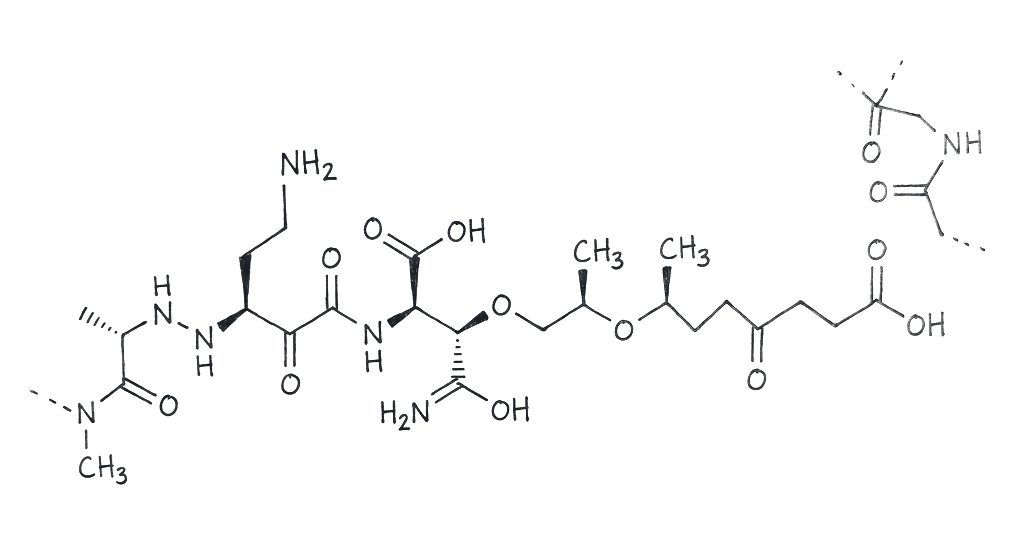
Peptides · Regulatory transition in progress

From the gray market to a regulated 503A pathway.

Peptides have spent the last decade in regulatory limbo: studied, used by millions, and largely unavailable through state-licensed compounding pharmacies. The FDA's pending July 2026 decision is expected to change that. RonanRx is the pharmacy partner for clinics ready to move peptide care from the gray market into the regulated, safer pathway.

By the numbers

At a glance

FDA decision
Jul 2026
Expected ruling on peptides moving into 503A-permissible status.
Peptides under review
20+
Tissue repair, GH-axis, metabolic, longevity, neuro.
Available today
8
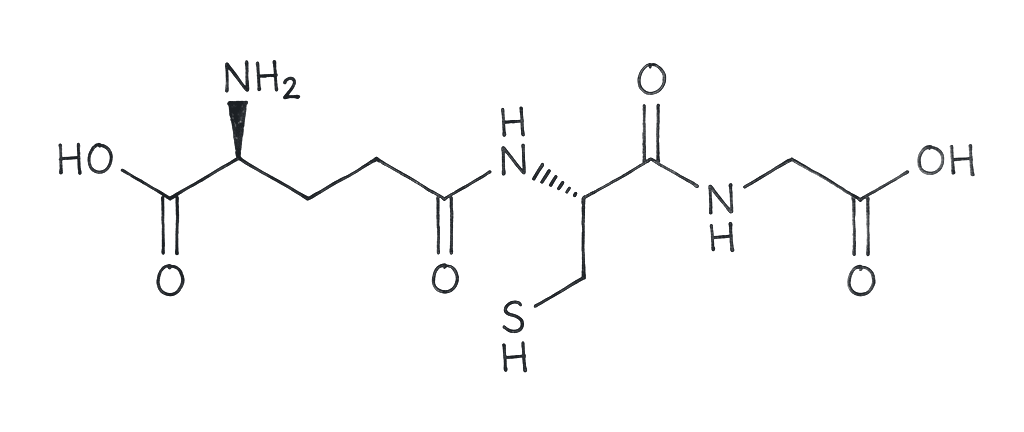
Sermorelin, tesamorelin, methylcobalamin, glutathione, more.

Where things stand

Two categories. Most peptides have been in the wrong one.

Under the 503A statute, a compounding pharmacy can use a non-pharmacopeial bulk drug substance in a patient-specific prescription only if the substance is on FDA's "Category 1" list (acceptable for compounding while under evaluation) or has a final positive determination. Substances FDA has flagged with safety or characterization questions sit in "Category 2" and cannot be compounded.

The vast majority of clinically interesting peptides — BPC-157, TB-500, MOTS-C, CJC-1295, ipamorelin, and others — have been in Category 2 for years. Some have lacked the kind of identity, purity, and stability data FDA wants for a positive determination. Some have been bundled with safety questions FDA hadn't resolved. The result: doctors who wanted to prescribe peptides with full pharmacist review, USP-aligned compounding, and lot tracking generally couldn't, and patients who wanted them ended up sourcing from gray-market suppliers with no oversight.

That is the situation FDA is now expected to revisit. A list of peptides previously in Category 2 has been proposed for movement into the 503A-permissible category, with a decision targeted for July 2026.

Why this is changing

The gray market is the public health problem. Regulating it is the public health answer.

Three things drove the shift. First, the volume: peptides marketed as "research chemicals" have been sold and used at large scale in the United States for the better part of a decade, almost entirely outside any FDA-recognized supply chain. Second, the data: where peer-reviewed evidence exists for peptides like BPC-157, thymosin beta-4, and selected GHRH analogs, it has continued to accumulate. Third, the policy framing under the current HHS leadership: the gray market is treated as a public health problem precisely because it is unregulated, and the policy response is to bring those substances inside the regulated 503A pathway where pharmacists, doctors, and state boards of pharmacy can do their job.

None of this means a peptide on the proposed list is "safer than an FDA-approved drug" or has equivalent evidence. It does mean that a peptide a doctor wants to prescribe will, after the decision, be available through a pharmacy that documents identity and purity, runs pharmacist review on every prescription, controls lot-level traceability, and ships under cold-chain when the formulation requires it.

Today

Peptides RonanRx prepares right now.

These are peptide-class therapies a state-licensed 503A pharmacy can prepare today, on a doctor's patient-specific prescription, where state and federal law allow.

Under FDA review

Peptides proposed for movement into 503A-permissible status.

The list below reflects peptides that have been part of the public regulatory conversation about moving from Category 2 (excluded) toward Category 1 or a final positive determination. Inclusion here does not mean a peptide will end up permitted; the FDA review and final list are pending. We are tracking the broader conversation deliberately because partner clinics need visibility into what may become available, not just what already is.

The list above is broader than what FDA may ultimately permit. Some substances on it may be carved out, narrowed, or held in Category 2 even after the July 2026 decision. We'll publish a refined "available now" list as the rules clarify and update partner clinics directly.

Why a state-licensed pharmacy

Safety isn't a marketing claim. It's the workflow.

The reason regulators care about moving peptides into 503A is the same reason RonanRx exists: a state-licensed compounding pharmacy is a system, not a product. When a doctor prescribes a peptide through RonanRx, the prescription is verified, the patient chart is reviewed, the formulation is checked against the pharmacist's professional judgment, ingredient identity and purity are documented, the compounding environment meets USP standards, the label is proofed before the product leaves the pharmacy, the lot is tracked, and the shipment is temperature-controlled where the molecule requires it. See the quality workflow →

None of that exists on the gray market. There is no pharmacist with release authority. There is no lot trace. There is no recall pathway if a contaminant turns up. The substances are often labeled "for research use only" precisely because a regulated label would require disclosures the seller can't or won't make.

What changes when a peptide moves into 503A-permissible status is that doctors who wanted to prescribe it responsibly finally can — with the same safeguards that apply to every other compounded medication.

How RonanRx will deliver peptides

The same operating model as everything else we prepare.

The doctor remains the prescribing authority. The pharmacist remains the compounding and release authority. RonanRx operates the workflow between them: intake, records when relevant, prescription handoff, pharmacist review, compounding under USP-aligned controls, release, shipping with cold-chain when required, support, and refill continuity. We will not catalog peptides for direct patient ordering. We will not run "peptide protocol" pages that bypass the prescribing doctor.

Patient-specific prescriptions only. State-licensed 503A. Compounded drugs are not FDA-approved. Availability varies by state, prescribed peptide, dosage form, and the final FDA determination.

The doctor remains the prescribing authority. The pharmacist remains the compounding and release authority. Compounded peptides are prepared on a patient-specific prescription only, in a state-licensed 503A compounding pharmacy. RonanRx will publish updated peptide availability following the FDA decision.

For doctors and clinics

Get on the partner list before the decision.

Partner clinics get advance notice when peptides clear the FDA review and become available for compounding. Tell us about your clinic and we'll follow up.